
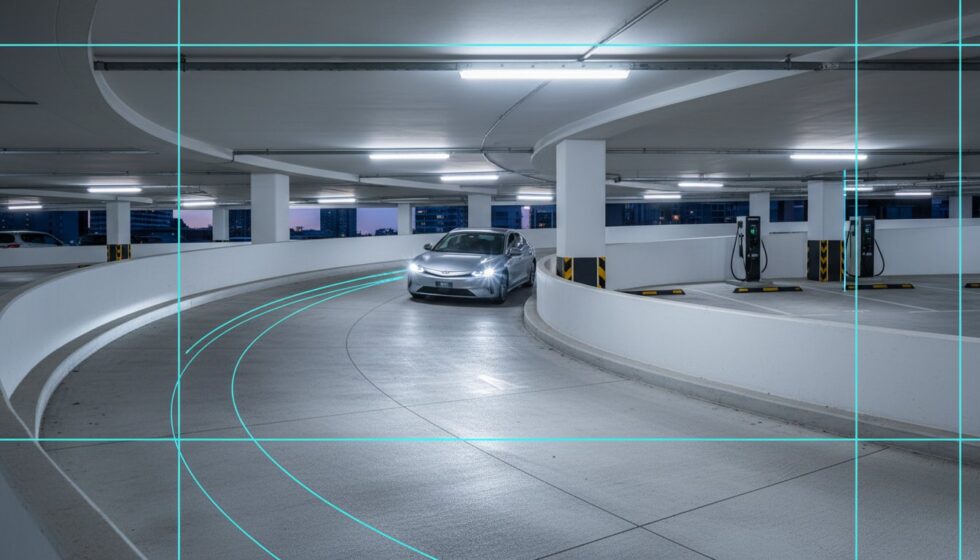
A messy garage does more than steal storage space; it quietly makes every arrival home feel harder than it should. When your car barely fits, boxes creep toward the tires, and the floor has no clear zones, the problem is not your driving skill. It is the layout. A smart Urban Garage Base gives your parking area a clear purpose instead of letting it become the house’s overflow room. Good parking starts before the wheels cross the threshold, and it depends on how the floor, walls, lighting, and storage work together. For homeowners trying to make small spaces work harder, even a simple planning habit can change the daily routine. A practical home improvement resource like organized property planning can help you think beyond quick fixes and treat the garage like a real part of the home. Better parking is not about making the garage look perfect. It is about making it dependable every single day.
Building a Urban Garage Base That Actually Supports Daily Parking
A garage should not feel like a tight negotiation between your bumper and a stack of forgotten items. The base layout decides whether parking feels calm or tense, and most people lose space because they never define the garage’s first job. Parking must come first. Storage, tools, bikes, and seasonal items should fit around that job, not compete with it.
Better parking layout starts with honest measurements
A tape measure tells the truth faster than any design idea. You need to know the actual width of the garage opening, the clear distance between walls, and the space needed for car doors to open without hitting shelving. Many homeowners guess these numbers, then wonder why the same scrape keeps appearing on the same wall.
Better parking depends on repeatable space, not lucky angles. Mark the tire path with painter’s tape, park the car once, then open every door you use most often. That one test shows where storage can live and where it has no business being.
A counterintuitive truth shows up fast: empty space is not wasted space. A clear walking lane beside the driver’s door can matter more than another cabinet because that lane protects the car, the wall, and your patience.
Garage organization should protect movement first
Garage organization often fails because people start with containers instead of traffic. A row of neat bins still causes trouble if it blocks the path between the car and the house door. The floor plan has to respect how you move on a normal Tuesday, not how the garage looks after a weekend cleanup.
Place frequent-use items near the entry door and move rare-use items higher or farther away. Shoes, umbrellas, sports bags, and pet supplies belong where they match real habits. Holiday décor and old paint cans should not sit in the most valuable parking zone.
The best garage organization feels boring because it removes decisions. You come home, pull in, step out, grab what you need, and leave without shifting anything by hand. That is the whole win.
Designing Parking Zones That Keep the Garage From Turning Into Storage Chaos
Once the parking path is clear, the next risk is slow creep. One box becomes three, a bike leans into the bumper zone, and suddenly the garage starts stealing back the space you created. Parking zones stop that from happening because they make boundaries visible before clutter wins.
Parking space design needs visual limits
Parking space design works best when the garage tells you where the car belongs. Floor tape, rubber parking stops, wall bumpers, and hanging tennis balls all sound simple, but simple works when it solves the right problem. A driver should not have to judge the perfect stopping point every time.
A painted or taped rectangle around the car zone can change behavior without a lecture. Family members see the boundary and understand that items cannot cross it. The floor becomes a map instead of a dumping ground.
Parking space design also helps when more than one person uses the garage. A teenager learning to park, a guest borrowing the space, or a spouse driving a different vehicle all benefit from clear stopping cues.
Urban garage storage belongs on walls, not in the driving path
Urban garage storage has to rise upward because city homes rarely have room to spread outward. Wall rails, pegboards, ceiling racks, and narrow cabinets can hold a surprising amount without touching the tire path. The floor should be treated like prime land.
Heavy items belong lower, but not scattered. Store tools, car care supplies, and bulky bins along one controlled wall so the rest of the garage stays readable. When storage is split across every corner, the car ends up parking inside a maze.
One small mistake causes big frustration: storing “temporary” items near the garage door. That spot feels convenient, so it attracts returns, deliveries, and projects waiting for attention. Give temporary items one shelf instead of the whole entrance.
Choosing Surfaces, Lighting, and Safety Details That Make Parking Easier
A garage base is not only about where things sit. The floor surface, light quality, and small safety details decide whether parking feels smooth in rain, at night, or when you are tired. A clean layout loses value fast if the surface is slippery or the corners disappear in shadow.
Garage floor planning changes how the space feels
Garage floor planning starts with grip, visibility, and clean edges. A stained concrete floor can still work well, but cracks, oil marks, and uneven spots make the space feel neglected. Epoxy, sealed concrete, or durable mats can make parking cleaner and easier to maintain.
Bright floor edges help more than people expect. When the floor contrasts with the walls and storage units, the car’s position becomes easier to judge. Dark clutter beside a dark floor creates visual noise, especially in the evening.
Garage floor planning also affects cleanup. A floor that sweeps quickly stays open longer because mess becomes easier to remove. When cleanup takes too much effort, clutter starts winning again.
Better parking improves when lighting removes guesswork
Better parking gets harder when shadows hide the wall, the shelf edge, or the bike handlebar near the passenger side. A single weak ceiling bulb may light the center of the garage while leaving the risky edges dim. That creates stress at the exact moment you need clear sight.
Install bright overhead lighting and add side lighting near storage walls if the garage feels narrow. Motion sensors help because you should not have to step into darkness before finding a switch. Light should greet the car, not trail behind it.
Reflective strips on wall corners, shelves, and parking stops can add another layer of guidance. They cost little, but they save paint, mirrors, and nerves.
Keeping the System Working After the First Big Cleanup
The hardest part is not creating order. The hard part is keeping the garage from drifting back into old habits after two busy weeks. A strong system survives normal life because it does not depend on constant motivation.
Urban garage storage needs rules the household can follow
Urban garage storage works when every category has a home that makes sense to the people using it. If the bike hook is too high, the bike will end up on the floor. If the tool cabinet is buried behind bins, tools will land on the nearest surface.
Build the system around the least patient person in the house. That may sound harsh, but it is accurate. A garage setup that only works for the neatest person will fail the moment everyone else starts using it.
Labels help, but placement matters more. Put return spots where people already pause: near the house door, beside the workbench, or along the walking lane. Good systems meet habits halfway.
Garage organization should include a reset routine
Garage organization needs a reset rhythm, not a yearly rescue mission. Ten minutes every weekend can keep the parking zone clear, especially if the rule is simple: nothing stays inside the tire path or door-swing area. Small resets prevent big cleanouts.
Create one “decision shelf” for items that do not yet have a home. The shelf keeps loose objects from landing on the floor while giving you a clear place to review later. Without that shelf, the whole garage becomes the decision zone.
The Urban Garage Base only works long term when you defend the parking space like part of the home, not leftover square footage. Start with one parked-car test, mark the clear zones, and remove anything that fights the way you actually live.
Frequently Asked Questions
What is the best way to plan a garage for better parking?
Start by parking the car inside and measuring the space around it with doors open. Mark the tire path, walking lane, and storage limits before buying shelves or cabinets. A garage works better when the car’s movement sets the layout.
How can small garage organization improve daily parking?
Small garage organization helps by keeping daily-use items off the floor and away from door-swing areas. Wall hooks, narrow shelves, and labeled zones reduce random piles. The goal is to make parking feel repeatable, not delicate.
What garage floor planning ideas help protect a parked car?
Use clear tire guides, non-slip surfaces, parking stops, and wall padding near tight corners. A clean, bright floor also makes it easier to judge distance. The safer the surface feels, the less stressful parking becomes.
How does parking space design prevent garage clutter?
Parking space design creates visible limits that tell everyone where items cannot go. Floor tape, painted zones, or physical stops make the car area obvious. Clutter spreads fastest where boundaries are unclear.
What urban garage storage works best for narrow spaces?
Wall-mounted rails, ceiling racks, folding hooks, and slim cabinets work best in narrow garages. They move storage upward and keep the driving path clear. Heavy items should stay low, but still outside the parking zone.
How much clearance should I leave around a garage parking area?
Leave enough room to open the driver’s door comfortably and walk safely to the house entry. The exact clearance depends on the car and garage size, so test it with the vehicle parked instead of relying on guesswork.
Why does my garage still feel crowded after cleaning?
A garage can feel crowded when items are neat but placed in the wrong zones. Storage along the parking path, dim lighting, and unclear walking lanes create pressure. Order matters less than whether the layout supports movement.
What is the easiest first step for better garage parking?
Park the car where it belongs, open the doors, and mark the space that must stay clear. Remove anything inside that zone before organizing the rest. That one step turns the garage from a storage room back into a parking space.
