
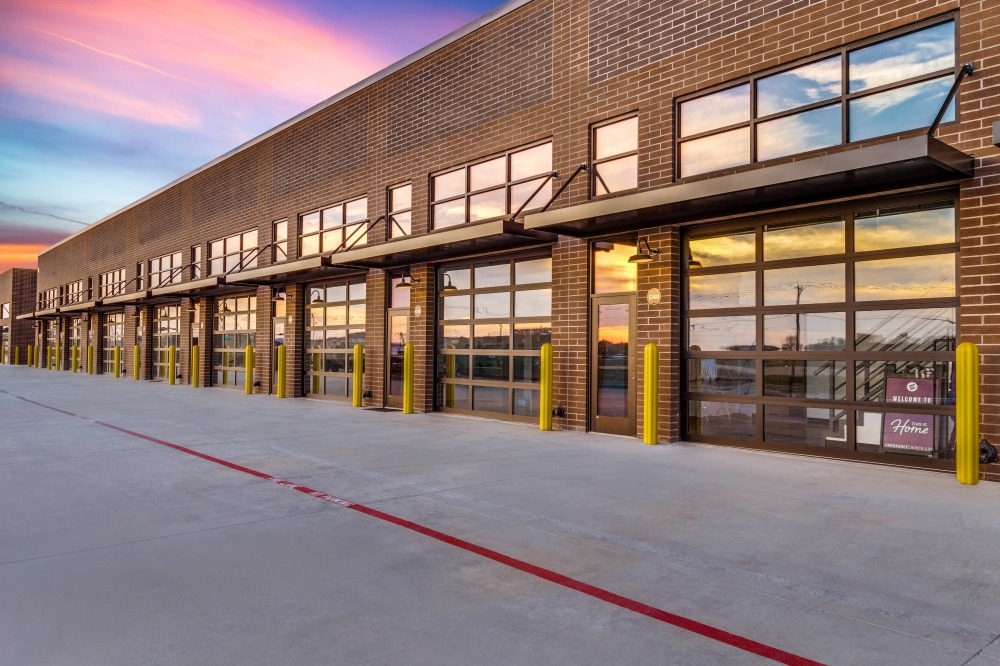
A garage can quietly become the most wasted square footage in a home. One week it holds tools, bikes, paint cans, storage bins, delivery boxes, and one car squeezed in at an awkward angle; the next week it feels like a room nobody wants to deal with. Fresh Urban Garage Base thinking changes that by treating the garage as a working part of daily life, not a leftover zone behind a heavy door.
The pressure is simple: homes are carrying more roles than they used to. Parking, storage, hobbies, repair work, small fitness corners, and seasonal organization often compete inside the same tight space. A thoughtful garage layout gives each role a place without turning the room into a showroom nobody can live in. For homeowners comparing ideas, trusted planning resources like smart home improvement guides can help frame choices before money goes into flooring, cabinets, or wall systems.
Functional garage spaces do not happen because you buy more shelves. They happen because you decide what the room should stop doing, then design around what remains.
Urban Garage Base Trends That Start With Real Space Problems
The best garage upgrades begin with an honest look at friction. Most people do not need a dramatic remodel; they need a room that stops fighting them every morning. A narrow parking path, a pile of half-used supplies, or a wall full of mystery hooks can make the garage feel smaller than it is. The smarter move is to solve the daily pinch points first, then let style follow function.
Why Functional Garage Spaces Need Clear Zones
Functional garage spaces work better when every zone has a job. Parking needs open floor space, storage needs vertical reach, tools need visibility, and bulky items need a place where they will not block movement. When those jobs overlap, the whole room feels messy even after a full weekend of cleaning.
A good garage layout usually starts with the car path. You should be able to open doors, walk around the vehicle, reach the house entry, and carry bags without dodging loose items. That sounds simple, yet many garages fail because storage creeps across the floor one box at a time.
Counterintuitively, empty space is not wasted space in a garage. It is what lets the rest of the room work. A clean walking lane can matter more than another cabinet because it protects the routine you repeat every day.
How Modern Garage Design Fixes Everyday Clutter
Modern garage design has moved away from the old habit of stacking everything against the nearest wall. The better approach is layered storage: heavy items low, frequent-use items at hand level, and seasonal gear higher up. This keeps the room readable at a glance.
Take a typical family garage with sports gear, garden tools, and car supplies. If every item lands in a plastic bin, nobody remembers where anything is. A better setup gives balls a mesh rack, garden tools a wall rail, and vehicle products a labeled cabinet near the driveway side.
The win is not perfection. The win is reducing the number of decisions needed to put something away. When the correct place is obvious, people use it more often.
Materials That Make a Garage Work Harder
A useful garage depends on surfaces that can take abuse. Pretty finishes mean little if the floor stains after one season or the wall panels buckle under weight. The material choices should match how the room actually lives: tires rolling in, wet shoes crossing the floor, tools getting dropped, and storage shifting as seasons change.
Choosing Garage Flooring Ideas That Last
Garage flooring ideas often look exciting online, but the right choice depends on tolerance for moisture, weight, cleaning, and impact. Coated concrete can look clean and resist stains when installed well. Interlocking tiles can help where flexibility matters. Sealed concrete can be enough for someone who wants strength without a glossy finish.
The mistake is choosing flooring like it belongs in a living room. A garage floor has to handle grit, oil, tire marks, and temperature swings. A finish that looks perfect on day one but needs gentle care will become a headache by month six.
Good garage flooring ideas should make cleaning easier, not more precious. If sweeping, rinsing, and spot cleaning feel simple, the floor will stay in better shape because maintenance becomes part of normal life.
Why Wall Strength Matters More Than Wall Style
Walls carry the hidden load of modern garage design. Cabinets, bike racks, folding workbenches, tool panels, and overhead supports all depend on proper anchoring. A wall that only looks finished can become a problem once real weight enters the room.
A smart wall plan starts with what must be stored off the floor. Bikes, ladders, cords, hoses, and folding chairs are awkward because they do not sit neatly on shelves. Wall-mounted systems turn those items from trip hazards into visible, reachable equipment.
There is a blunt truth here: a garage wall should not be treated like decoration first. It is working structure. Paint color can come later; secure mounting points and durable panels should come first.
Storage Choices That Protect Movement
Storage can either open a garage or choke it. The difference comes down to depth, height, and access. A cabinet that holds plenty but blocks a car door is not smart storage. A shelf that hides everything behind stacked bins creates a new mess with a cleaner face. The goal is not to store more; it is to store better.
Garage Storage Solutions for Tight Homes
Garage storage solutions should respect the shape of the room. In a narrow garage, shallow cabinets often beat deep shelves because they protect walking lanes. In a tall garage, overhead racks can hold seasonal bins without stealing wall space. In a shared garage, labels and open zones prevent one person’s system from becoming everyone else’s confusion.
Small homes benefit most from a rule many people resist: keep daily items low and seasonal items high. Holiday décor, camping gear, winter supplies, and rarely used tools can move upward. School bags, cleaning supplies, pet gear, and everyday tools should stay where hands naturally reach.
Strong garage storage solutions also leave room for change. A garage serving a young family will not have the same demands five years later. Adjustable rails, movable hooks, and modular cabinets keep the space from becoming outdated too fast.
When Open Storage Beats Closed Cabinets
Closed cabinets look tidy, but they are not always the answer. Items used often can disappear behind doors, especially when several people share the garage. Open racks make sense for things that need fast access: helmets, reusable shopping bags, extension cords, sports gear, or garden gloves.
The trick is deciding what deserves to be seen. Attractive storage is not about hiding everything. It is about showing the right things in the right way so the room feels active rather than chaotic.
A mixed system usually performs best. Use closed cabinets for chemicals, sharp tools, and supplies that create visual noise. Use open storage for repeat-use items that benefit from being grabbed quickly and returned without thought.
Design Details That Turn Storage Into Daily Ease
Once the big structure works, details decide whether the garage stays useful. Lighting, entry flow, work surfaces, power access, and small landing zones often matter more than another large storage unit. These choices make the room feel intentional when you walk through it with full hands, tired feet, or ten minutes before an appointment.
How Lighting Changes the Whole Garage Layout
A garage layout depends on light more than people expect. Dim corners become dead zones where items get lost. Bright, even lighting makes tools easier to find, surfaces easier to clean, and parking safer. A single weak bulb in the center cannot carry a room with cabinets, shelves, and shadows.
Task lighting belongs near workbenches, laundry corners, and tool walls. Motion lighting can help near the entry door, especially when you come home carrying groceries or packages. Light placement should follow activity, not ceiling symmetry.
One overlooked benefit of better lighting is behavior. People keep bright spaces cleaner because they can see what is out of place. Darkness forgives clutter; good light calls it out.
Why Entry Points Deserve Special Attention
The door between the garage and the home often becomes the real front door. Shoes pile up there. Bags land there. Keys, coats, recycling, and packages all pass through that small area. Treating it as an afterthought creates daily irritation.
A narrow landing zone can change the rhythm of the house. Add hooks for bags, a tray for shoes, a small shelf for keys, and a clear route into the home. This keeps garage clutter from leaking indoors and keeps indoor clutter from drifting back out.
This is where functional garage spaces become personal. A garage that supports your entry routine feels less like storage and more like a quiet helper. That feeling matters because the best room is the one you do not have to think about.
Conclusion
A better garage does not begin with buying containers, cabinets, or flooring samples. It begins with admitting that the room has a real job to do every day. When parking, storage, movement, cleaning, and entry flow all get treated as connected pieces, the garage becomes calmer without losing its grit.
Fresh Urban Garage Base planning works because it respects the tension inside the room. A garage has to be tough, flexible, and forgiving, but it also has to feel simple enough that people keep using the system after the first month. That balance is the whole point.
Start with one honest walk-through. Notice where you slow down, where items gather, where doors hit, where light fails, and where storage feels harder than it should. Fix that first, then build the rest around it. The smartest garage upgrade is the one that makes tomorrow morning easier before it tries to impress anyone.
Frequently Asked Questions
What are the best garage flooring ideas for busy homes?
Durable coated concrete, sealed concrete, and interlocking floor tiles all work well for busy homes. The right choice depends on moisture, budget, cleaning habits, and how much impact the floor takes from tools, tires, bikes, and stored equipment.
How can modern garage design improve small spaces?
Modern garage design improves small spaces by moving storage off the floor, protecting walking lanes, and assigning zones for parking, tools, sports gear, and seasonal items. The room feels larger when every item has a clear place and movement stays open.
What garage storage solutions work for narrow garages?
Shallow cabinets, wall rails, overhead racks, peg panels, and fold-down work surfaces work well in narrow garages. These options reduce floor clutter while keeping the center path open enough for parking, walking, and carrying items in and out.
How do functional garage spaces support daily routines?
Functional garage spaces support daily routines by making common actions easier. Parking, grabbing tools, storing shoes, unloading groceries, and finding supplies should happen without moving five things first. Good design removes small delays that drain patience over time.
What should I store high in a garage?
Seasonal bins, holiday décor, camping gear, rarely used tools, and backup supplies belong higher up. Daily-use items should stay closer to eye level or hand level so the garage remains practical instead of turning into a climbing-and-searching routine.
How much open floor space should a garage keep?
A garage should keep enough open floor space for safe parking, full car-door swing, walking paths, and easy access to the home entry. The exact amount depends on vehicle size, but blocked movement is a sign the storage plan needs work.
Are closed cabinets better than open garage shelves?
Closed cabinets work best for chemicals, sharp tools, paint, and items that create visual clutter. Open shelves work better for frequently used gear. A mix of both usually gives the best balance between clean appearance and fast access.
What is the first step in planning a better garage layout?
Start by removing items that do not belong in the garage, then map the daily movement path from driveway to house. Once the walking and parking routes are clear, storage decisions become easier, cheaper, and far more effective.
