
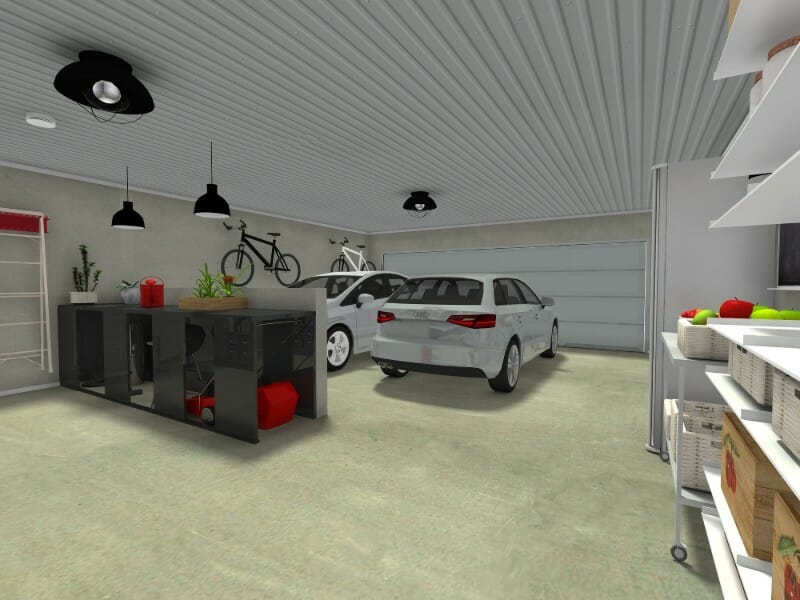
A cramped garage can turn a calm morning into a small battle before the day even starts. The car door hits a storage bin, the bike blocks the walkway, and the tools you need are buried behind things you forgot you owned. Good garage planning fixes more than parking; it gives the space a working spine. In dense homes, townhouses, and compact lots, the garage has to carry more weight than it was built for. It stores vehicles, seasonal gear, household supplies, sports items, and sometimes a workbench squeezed against the wall. That pressure makes the base of the garage matter. The floor, layout, storage zones, and access paths all decide whether the room helps you or fights you. A practical plan does not need luxury finishes or a dramatic remodel. It needs honest choices, smart spacing, and a setup that fits daily life. For homeowners comparing practical improvement resources, a trusted planning reference like home improvement publishing networks can support better decisions before money gets spent in the wrong place.
Why Urban Garage Base Planning Starts With Daily Movement
The best garage decisions begin with the boring parts of your routine. Where you step, where you open doors, where you drop bags, and where you reach for tools all matter more than a glossy design photo. A garage that looks neat but blocks your movement will fail within a month. That is why urban garage ideas should begin with behavior, not decoration.
Reading the Space Before Adding Storage
A garage tells you how it wants to work if you watch it during a normal week. The first clue is usually the path from the vehicle to the house door. If that path bends around boxes, trash cans, or garden gear, the layout is already working against you.
Mark the zones that already exist before buying shelves or cabinets. One corner may naturally collect sports equipment. Another wall may hold cleaning supplies because it sits near the water line or back door. These habits are not mistakes; they are signals.
The counterintuitive move is to plan around the mess first. Many homeowners try to erase clutter before understanding it, then wonder why it comes back. A scattered pile often reveals a missing home for items used together.
A better garage layout respects natural traffic. Keep the most-used items within one or two steps of the door, then push seasonal or rare items higher, farther back, or into labeled bins. The goal is not perfection. The goal is fewer daily interruptions.
How Parking Space Planning Changes the Whole Room
Parking feels like one task, but it controls the whole garage. Once the car position is wrong, every other choice becomes harder. Door clearance, wall access, walking space, and storage depth all depend on the vehicle footprint.
A compact car may leave room for deep shelving, while an SUV may demand slimmer wall systems and ceiling storage. Measure the vehicle with doors open, not closed. That one detail saves more frustration than any storage product.
Parking space planning also has to include people. A driver may need more clearance on one side, while a child seat may need extra room near the rear door. Real life does not follow a neat floor plan.
Paint, tape, or removable floor markers can help test the parking zone before anything permanent goes in. Park for a week inside those boundaries and notice where movement feels tight. That trial often exposes problems a drawing misses.
Building a Strong Base That Supports Real Use
A garage base is not only the concrete under your tires. It is the practical foundation of the whole room: the floor surface, drainage, load zones, and edge protection. Strong garage planning treats the base as a working surface, not a background detail. Once the base performs well, every cabinet, shelf, and parking decision becomes easier.
Floor Surfaces That Handle Daily Wear
Garage floors take abuse that other rooms never see. Tires bring in grit. Tools fall. Water drips. Boxes scrape across the surface. A clean floor on day one means little if it stains, chips, or turns slippery by the first rainy season.
Concrete should be checked before coatings or mats enter the conversation. Cracks, low spots, oil stains, and moisture issues need attention first. Covering weak concrete is like putting a rug over a loose stair.
Epoxy, polyaspartic coatings, rubber tiles, and sealed concrete each suit different habits. A hobby mechanic may need chemical resistance. A family using the space for bikes and storage may care more about grip and easy sweeping.
Home garage design works best when the floor finish matches the mess. A polished surface may look sharp, but texture matters when shoes are wet or tires carry road dust. Beauty that creates caution is not doing its job.
Drainage, Edges, and the Hidden Trouble Spots
The center of the garage gets attention because cars sit there. The edges cause the real trouble. Water collects near walls, dust hides behind cabinets, and pests often enter through small gaps along the base line.
Check the slope before setting permanent storage. If water runs toward a wall, do not place wood cabinets directly on the floor there. Raise them on feet, use sealed materials, or shift storage to a drier side.
Thresholds deserve the same care. A worn garage door seal can undo hours of cleaning after one storm. Replace damaged seals, inspect side gaps, and keep the entry edge clear enough to sweep.
A smart base plan also protects walls from daily knocks. Wheel stops, corner guards, and low bump rails can prevent damage from bikes, bins, and car doors. Small defenses keep the garage from aging faster than the rest of the home.
Storage Zones That Make Small Garages Feel Larger
Storage is where many garages lose the fight. People buy shelves because they need space, then fill every visible wall until the room feels tighter than before. Useful urban garage ideas are not about storing more at any cost. They are about assigning items to the right height, depth, and distance from the action.
Vertical Storage Without Creating Wall Chaos
Walls are valuable, but they can become visual noise fast. Open hooks, stacked bins, garden tools, and cords can make a small garage feel restless even when everything has a place. The trick is not to hide everything; it is to group items with discipline.
Put long-handled tools together, not wherever the next hook fits. Keep cycling gear near bikes. Store car care items close to the parking side. These small families of objects reduce searching and make cleanup easier.
Use the wall height in layers. The shoulder-height zone should hold items used weekly. The upper zone can hold seasonal bins. The lower zone should stay clear enough for sweeping and safe movement.
Garage layout decisions improve when every wall earns its role. One wall can serve parking support, another can serve household storage, and a third can hold tools or hobby items. Mixing every category on every wall creates confusion.
Cabinets, Open Shelves, and What Each One Does Best
Closed cabinets look tidy, but they can hide poor habits. Open shelves look casual, yet they make it easier to see what you own. Neither choice wins alone. The right mix depends on how often you use the items and how much dust the garage collects.
Use closed cabinets for chemicals, sharp tools, paint, and anything children should not reach. Put visible labels on the outside, because a closed door can turn useful storage into a guessing game.
Open shelves work well for clear bins, spare paper goods, sports bags, and bulky household items. Keep heavy objects low and light objects high. That sounds obvious until someone stores a full toolbox above shoulder height.
Home garage design should leave breathing room between storage systems. A wall packed edge to edge may feel efficient at first, but it removes flexibility. Empty space is not wasted. It is the room your future needs will occupy.
Planning for Safety, Access, and Long-Term Change
A garage should work on a rushed Monday, a rainy night, and a weekend repair session. That means the plan has to support safety and change, not only order. A space that cannot adjust will slowly turn into a storage trap. Good planning leaves room for the life you have now and the one coming next.
Safe Walkways and Everyday Access
Walkways are the first thing to protect and the first thing people sacrifice. A narrow path may seem acceptable until you carry groceries, guide a child through the garage, or move a ladder past the car. Space that looks enough on paper can feel stingy in motion.
Keep one clear route from the main garage door to the house entry. This path should not depend on moving bikes, stepping over cords, or squeezing past bins. If the route fails under stress, the plan fails.
Lighting belongs in this conversation too. Shadows make corners feel smaller and make clutter easier to ignore. Add bright overhead lighting, then support work zones with task lights where repairs, sorting, or tool use happens.
Parking space planning gets safer when exits remain predictable. You should know where your foot lands when you step out of the car. That kind of confidence sounds small, but it changes how the whole space feels.
Designing for Future Changes Without Starting Over
Garages change because households change. A new driver enters the family. A hobby grows. A stroller disappears and bikes multiply. A good plan expects movement instead of pretending the room will stay frozen.
Use adjustable shelves, movable hooks, and modular bins where possible. Fixed storage has its place, but too much of it can lock the garage into last year’s routine. Flexibility saves money because you can revise the system without tearing it apart.
A content upgrade worth making is a one-page garage map. Sketch the floor, mark the vehicle zone, label storage categories, and note what sits at each height. Tape that sketch inside a cabinet door so everyone understands the system.
The strongest garage planning choice is restraint. Leave one section open for temporary projects, incoming boxes, or seasonal transitions. A garage with no flex zone will create one anyway, usually in the worst possible spot.
Conclusion
The garage becomes easier to manage when you stop treating it like leftover space. It needs the same level of thought as a kitchen pantry or laundry room, because it carries daily pressure from every direction. A smart base, clear movement paths, measured parking, and storage that respects habits can turn a cramped room into a dependable part of the home. The real win is not a magazine-perfect garage. The win is opening the door and knowing exactly where things belong. Good garage planning gives you that calm before the car starts, before the tools come out, and before the weekend chores begin. Start with one honest measurement session, clear the main walking path, and build the rest around how you already live. Your garage does not need to impress strangers; it needs to serve you every single day.
Frequently Asked Questions
What are the best urban garage ideas for small homes?
Start with movement, parking clearance, and wall storage before buying anything. Small homes need garages that protect walkways and keep daily items close. Use vertical zones, slim shelves, and labeled bins so the space supports real routines instead of becoming overflow storage.
How do I plan a garage layout for one car?
Measure the car with doors open, then mark the parking area on the floor. Keep one clear walking route to the house entry and place frequent-use storage near that path. Build storage around the vehicle footprint, not the other way around.
What should I include in parking space planning?
Include car width, door swing, rear access, walking space, and storage depth. A plan that only measures the parked vehicle misses the daily movement around it. Test the layout with tape before installing cabinets or fixed shelving.
How can home garage design improve storage?
Group items by use instead of size. Keep tools near the work area, car supplies near the vehicle, and seasonal items higher or farther back. Good storage cuts search time and reduces the chance that clutter returns after cleanup.
What garage floor surface works best for daily use?
Sealed concrete, epoxy, rubber tiles, and polyaspartic coatings can all work when matched to the household. Pick based on moisture, grip, cleaning needs, and wear. Repair cracks and stains before adding any finish or covering.
How do I keep an urban garage from feeling crowded?
Protect open floor space first. Use wall storage carefully, keep heavy items low, and avoid filling every blank surface. A small open zone for temporary items can prevent random piles from taking over the parking and walking areas.
Where should shelves go in a compact garage?
Place shelves where they do not block car doors, walkways, or the house entry. Shallow shelving often beats deep shelving in compact garages because it preserves movement. Store weekly items at easy reach and rare items higher up.
How often should I update my garage setup?
Review the setup every season or whenever household routines change. Bikes, tools, sports gear, and vehicle needs shift over time. Small adjustments every few months keep the garage useful without forcing a full cleanout later.
