
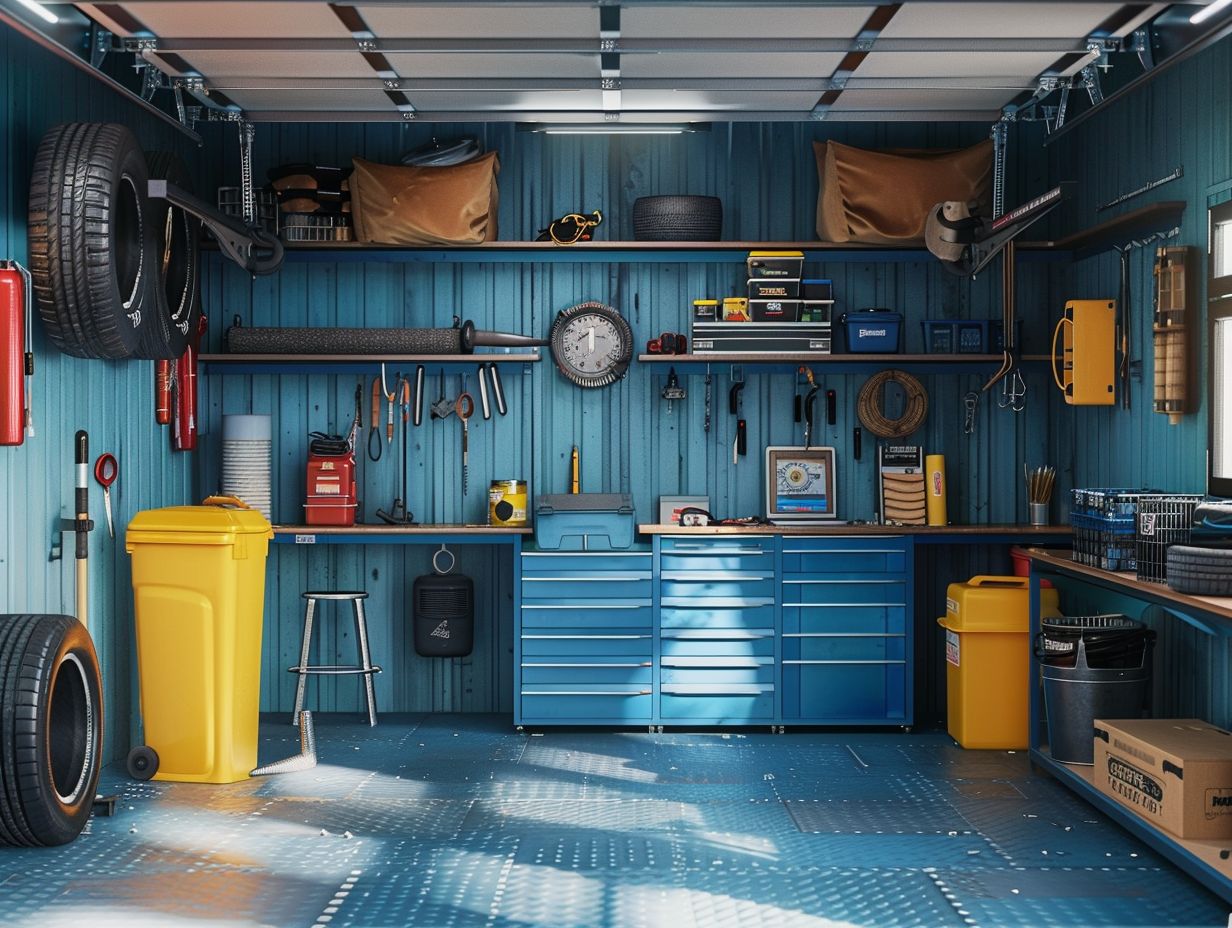
A messy garage does not happen overnight; it sneaks in one box, one tool, and one “I’ll move this later” at a time. Then one day, your car sits outside while old paint cans, sports gear, holiday bins, and mystery hardware own the room. Practical Urban Garage Base Tips for Cleaner Garages start with one honest idea: a garage is not a dumping zone with a door. It is a working space, storage zone, and entry point into your home, especially when city living gives you less room to waste.
Cleaner garages do not come from buying more shelves on impulse. They come from giving every item a reason to stay, a place to live, and a clear path back after use. Good organization also makes your home feel calmer because the garage stops being the space you avoid. For homeowners who care about smart property upkeep and better home systems, resources like practical home improvement guidance can support better planning before clutter becomes damage, stress, or wasted space.
Why Urban Garage Base Planning Changes the Whole Space
City garages carry more pressure than suburban ones because they often have to do too much inside a smaller footprint. A single-car garage may need to hold bikes, tools, recycling bins, gardening gear, pantry overflow, cleaning supplies, seasonal décor, and sometimes a freezer. That kind of load does not forgive lazy planning. The room needs structure before it needs storage products.
A strong base plan begins by deciding what the garage is allowed to do. A garage cannot serve as a workshop, gym, storage unit, mudroom, bike dock, and forgotten-item graveyard without turning against you. Once you assign the space a few clear jobs, the clutter loses its hiding places.
Small garage organization starts with limits
Small garage organization works best when you stop asking, “Where can I fit this?” and start asking, “Does this belong here?” That shift sounds minor, but it changes the whole room. A cramped garage usually fails because it accepts every item that has no home inside the house.
A useful limit is the floor test. If an item sits on the floor for more than a week without a clear reason, it needs a decision. Bikes may belong there if they move daily. A broken chair waiting for repair does not. Old boxes from an appliance purchase almost never deserve garage space after the return window closes.
One smart move is to divide your garage into zones before you touch a shelf. Put daily-use items near the door, seasonal items higher up or farther back, and hazardous materials in a locked or raised area. This gives the room a map. Without a map, even good storage turns into stacked confusion.
Garage storage ideas need a purpose before a product
Garage storage ideas often fail because people buy bins, racks, and cabinets before they know what problem they are solving. Storage does not create order by itself. It can hide disorder behind plastic lids and make the next cleanout worse.
Start with item groups instead of products. Group car care, tools, sports equipment, outdoor supplies, bulk household goods, and emergency items. Then choose storage based on weight, access, and safety. Heavy tools belong low. Light seasonal boxes can go high. Cleaning chemicals need stable shelving away from children, pets, and heat.
A real example makes this clear. If you keep a bike pump, helmets, tire tools, and locks in four separate corners, you do not have bike storage. You have bike-related clutter. A single wall station with hooks, a narrow shelf, and a small basket turns the same items into a working system.
Building Daily Habits That Keep the Garage Clean
A garage gets dirty again when the system depends on a big weekend reset. That approach feels productive for one day, then collapses under normal life. Better habits are smaller, duller, and more reliable. The best garage stays clean because the easiest action is also the right action.
This is where many homeowners get surprised. The secret is not discipline. It is friction. Put things where you already reach for them, and you need less willpower. Store items in awkward places, and the mess will return because the room is fighting you.
Cleaner garage habits begin at the entry point
Cleaner garage habits start where you walk in. The entry point catches shoes, bags, delivery boxes, tools from the car, and random items carried in from errands. If that spot has no system, the first five feet of the garage become a clutter trap.
Create a landing zone that can absorb real life without looking messy. A wall-mounted rack for reusable bags, a narrow shoe tray, a hook for keys or dog leashes, and a small bin for items going back into the house can remove half the daily chaos. The goal is not perfection. The goal is fewer loose decisions.
Make the return path obvious. If your screwdriver drawer is hidden behind two bins, the screwdriver will end up on the nearest flat surface. If the broom hangs beside the door, you will sweep more often. The room teaches behavior through placement.
Urban garage cleaning works best in short resets
Urban garage cleaning should not wait for spring. Short resets beat massive cleanouts because they catch mess before it hardens into a project. Ten minutes at the end of the week can save four hours later.
A simple reset pattern works well. Throw away trash first, return tools second, clear the walking path third, and check the floor last. The order matters because visible progress builds momentum. When you start by sorting tiny screws or old cords, the room looks unchanged and you lose patience.
One overlooked habit is the “empty hands” rule. Any time you leave the garage and walk into the house, carry one misplaced item with you. It sounds too small to matter, but repeated over a month, it quietly drains clutter from the space without turning cleanup into an event.
Storage Choices That Protect Space, Safety, and Sanity
Good storage is not about filling every wall. It is about protecting movement, visibility, and access. A garage that looks packed but works smoothly beats a garage that looks tidy until you need something from the bottom bin. The best systems respect how people move, lift, park, and clean.
Storage should also lower risk. Garages often hold sharp tools, flammable liquids, batteries, ladders, and heavy objects. A neat-looking shelf can still be unsafe if weight sits too high or chemicals sit near heat. Beauty matters less than control.
Wall storage for garages gives the floor back
Wall storage for garages is often the fastest way to reclaim space because the floor carries too much burden. Once boxes, cords, folding chairs, and sports gear leave the ground, the room feels larger before you remove a single item.
Use the wall based on access level. Eye-level space should hold items used often, such as hand tools, tape, cords, gloves, and small hardware. Higher wall space can hold camping gear, holiday décor, and backup supplies. Low wall hooks can hold kids’ equipment because children can return items without help.
Avoid turning the wall into a museum of every object you own. Open wall systems work only when categories stay tight. A pegboard full of random tools, paintbrushes, old keys, and extension cords becomes visual noise. Fewer items, grouped well, will beat a crowded wall every time.
Floor space should be treated like premium property
Floor space in a garage is expensive, even when you already own it. Every box on the ground steals parking room, walking room, cleaning room, and safe access. Once the floor fills up, the rest of the garage loses function.
Reserve floor space for items that are heavy, wheeled, used often, or unsafe to lift overhead. Examples include lawn equipment, large coolers, tool chests, and trash bins. Everything else should earn its place carefully. A bin of old curtains does not belong on the same level as a lawn mower you use weekly.
The counterintuitive move is to leave some floor space empty on purpose. Empty space feels wasteful to people who love packing things tightly, but it makes the garage usable. You need room to turn around with a ladder, open a car door, break down cardboard, or pull out a bike without a wrestling match.
Making the Garage Easier to Clean Long Term
A clean garage is not only organized. It is easy to maintain. Dust, leaves, oil marks, cobwebs, and moisture can make even a tidy garage feel neglected. The goal is to set up the room so cleaning takes less effort each time.
This is where design beats motivation again. Smooth paths, washable surfaces, sealed containers, and clear access to corners reduce the work before you start. A garage that can be swept in five minutes will be swept more often. A garage that takes twenty minutes to prepare before cleaning will be avoided.
Garage floor care prevents hidden mess
Garage floor care matters because the floor tells the truth about the whole space. If the floor is stained, dusty, blocked, or damp, the garage feels dirty even when the shelves look fine. You do not need a showroom finish, but you do need a surface you can maintain.
Start by keeping absorbent clutter off the ground. Cardboard boxes soak up moisture, attract pests, and collapse at the worst time. Replace them with lidded plastic bins for items that must stay in the garage. Label the front, not the top, because stacked bins should not need lifting to identify.
A monthly floor check can catch problems early. Look for oil spots, water trails, pest droppings, soft cardboard, and dust piles near corners. These signs tell you what the garage is struggling with. Cleaning becomes easier when it responds to evidence instead of guesswork.
Seasonal garage maintenance keeps clutter from returning
Seasonal garage maintenance gives you a rhythm that matches how the space changes through the year. Summer brings bikes, garden tools, sports gear, and outdoor toys. Winter brings storage bins, wet shoes, heaters, and holiday items. The garage fails when all seasons stay active at once.
At the start of each season, pull forward the items you will use and push back the items you will not. This keeps daily access clean and stops you from digging through snow shovels in June or garden hoses in January. The shift does not need to be dramatic. Thirty focused minutes can reset the room’s logic.
Practical Urban Garage Base Tips for Cleaner Garages work best when they become a pattern, not a one-time cleanup. Keep the garage honest by removing dead items, protecting floor space, and giving daily-use gear the easiest homes. Start with one wall, one floor zone, or one entry point today, and let the rest of the room follow that first clear decision.
Frequently Asked Questions
What are the best small garage organization ideas for city homes?
Start by clearing the floor, grouping items by use, and creating wall-based storage for tools, bikes, and seasonal gear. City garages need strict limits because space disappears fast. Keep daily items near the entrance and move rarely used items higher or farther back.
How often should I do urban garage cleaning?
A short weekly reset works better than one large seasonal cleanout. Spend a few minutes removing trash, returning tools, clearing the walkway, and checking the floor. Seasonal cleanouts still help, but weekly attention stops clutter from becoming a full-day project.
What garage storage ideas help keep tools organized?
Use a wall rack, pegboard, shallow drawers, or labeled bins based on tool size and use. Keep everyday tools visible and easy to return. Store sharp, heavy, or power tools in stable locations where they cannot fall, tip, or create safety problems.
How can wall storage for garages save space?
Wall storage lifts bikes, cords, ladders, chairs, and tools off the floor, which gives you more room to walk, park, and clean. It also makes items easier to see. The key is grouping similar items together instead of filling every inch with random objects.
What is the easiest way to improve garage floor care?
Remove cardboard, sweep often, and deal with stains or moisture as soon as they appear. Keep heavy items on raised shelves or rolling bases when possible. A clear floor is easier to clean, safer to walk on, and better at showing early signs of problems.
Which cleaner garage habits make the biggest difference?
Put items back immediately, keep a small trash bin near the entrance, and carry one misplaced item into the house whenever you leave the garage. These habits sound simple, but they prevent the slow buildup that usually ruins the space.
How do I plan seasonal garage maintenance?
Rotate items based on what you use during the next few months. Bring active gear forward and move off-season bins higher or farther back. Check for broken items, expired products, moisture damage, and clutter that no longer matches how your household lives.
What should not be stored in a garage?
Avoid storing delicate fabrics, paper records, excess paint, food, and anything sensitive to heat, cold, pests, or moisture. Some tools and outdoor items belong there, but fragile belongings often suffer in garage conditions unless they are sealed and protected properly.
