
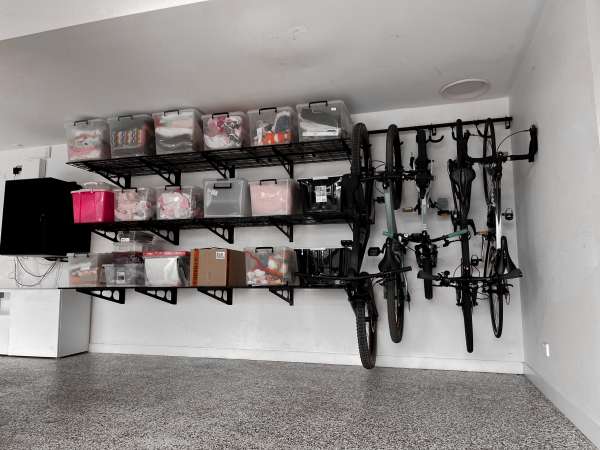
A messy garage does not look like a storage problem at first. It looks like five unfinished decisions stacked beside a toolbox, buried under holiday bins, and guarded by a bicycle no one has ridden since last spring. That is why Urban Garage Base planning matters: it gives every item a reason to stay, a place to land, and a limit it cannot cross. When you treat the garage as a working base rather than a dumping zone, the whole home feels less cramped. Smart storage also protects money already spent on tools, tires, sports gear, cleaners, and seasonal equipment. A practical layout can turn a tight space into something that works every week, not only during a big cleanout. For homeowners comparing storage upgrades, layout help, or local improvement resources, a trusted home improvement network can be a useful place to start. The real goal is not a perfect garage. The goal is a garage that stops fighting you every time you open the door.
Urban Garage Base Planning Starts With What You Refuse to Store
A smarter garage begins with subtraction, not shelving. Most people buy bins too early, then wonder why the clutter returns six weeks later. Storage only works when you decide what the garage is allowed to become. A garage can support tools, cars, bikes, garden gear, and home projects, but it cannot carry every forgotten purchase from the last ten years without turning against you.
Garage organization ideas that start with limits
Garage organization ideas often fail because they begin with products instead of boundaries. A shelf cannot fix a space where broken fans, dry paint cans, duplicate extension cords, and half-used cleaning bottles all have equal rights. The first serious move is to choose what earns storage space and what gets removed.
A strong garage has categories with hard edges. Automotive items stay together. Garden tools stay together. Sports gear stays together. Random “maybe later” piles do not get a permanent zone because they have not earned one. That sounds strict, but it saves you from building a shrine to indecision.
One useful test is simple: would you look for this item in the garage first? If the answer is no, it probably belongs somewhere else or nowhere at all. This single question cuts through sentimental clutter faster than another plastic tote ever will.
Why floor space should be treated like prime property
The floor is the most expensive surface in your garage because every object placed there steals movement. A lawn mower makes sense on the floor. A stack of empty boxes does not. Once the walking path narrows, the garage starts feeling smaller than it is.
Treat the center lane like a work zone, not a waiting room. You need room to carry groceries, open a car door, pull out a bike, or move a ladder without performing a sideways shuffle. A smart layout keeps common paths open even when the garage is packed for a busy season.
This is where many homeowners get the storage equation wrong. They think walls and ceilings are secondary surfaces. In a garage, they are often the main storage field, while the floor should stay reserved for heavy, rolling, or daily-use items.
Build Storage Zones Around Real Movement, Not Perfect Photos
A clean garage photo can fool you. It may show polished cabinets, bright floors, and matching bins, but it rarely shows a muddy soccer ball, a wet umbrella, a leaking oil bottle, or a child dropping a scooter in the wrong place. Real storage design has to survive real behavior. Beauty helps, but movement decides whether the system lasts.
Small garage storage works best when zones are narrow
Small garage storage improves when each zone has one job. A narrow tool wall beats a wide mystery shelf because it tells you exactly what belongs there. A compact car-care corner beats scattered bottles in three cabinets because the task happens in one place.
Think in task stations. Keep air pumps, tire gauges, microfiber towels, and cleaners close to the vehicle side. Put pruning shears, gloves, soil, and garden ties near the exterior door if you use that route to reach the yard. Store kids’ helmets near bikes, not six steps away inside a cabinet.
Small garage storage also benefits from shallow depth. Deep shelves swallow items whole, especially smaller cans, chargers, fasteners, and accessories. A shallow shelf may hold less, but it shows more. Visibility is storage power.
Wall storage systems should match the weight of your habits
Wall storage systems earn their keep when they hold the items you grab often, not the items you forgot you owned. Pegboards work well for hand tools, but they can become visual noise if every hook holds something unrelated. Slatwall handles mixed gear better, especially when hooks, baskets, and shelves need to shift over time.
Heavy items need stronger planning. A wall-mounted rack for bikes must respect studs, spacing, and lifting height. Garden tools need grips that hold handles without letting them slide into a heap. Extension cords need wide hooks, not tiny pegs that create tight coils and cracked insulation.
Wall storage systems are not decoration. They are behavior guides. When the hook is easy to reach, you use it. When it sits too high or hides behind a cabinet door, the item lands on the floor again. The garage will always vote for the easiest option.
Smarter Storage Depends on Visibility, Reach, and Honest Labels
Urban Garage Base upgrades become powerful when you stop hiding everything. Closed cabinets look calm, but they can turn into clutter caves if you cannot see what is inside. Open storage can look busy, yet it often keeps a household more honest. The best setup usually mixes both, giving attractive cover to ugly bulk while keeping daily gear visible.
Clear containers beat mystery bins every season
A closed, solid-colored bin feels tidy on the day you buy it. Three months later, it becomes a guessing game. You pull down the wrong box, open it, find old party supplies, shove it back, and leave the item you needed buried somewhere else. That is how small friction becomes permanent disorder.
Clear containers solve part of the problem because they show shape, color, and quantity at a glance. Labels still matter, but the label should describe the category in plain language: “car wash towels,” “camp stove gear,” “winter gloves,” or “paint tools.” Vague labels like “miscellaneous” deserve suspicion.
Use large bins only for large categories. Tiny items in oversized containers drift, spill, and disappear. For screws, anchors, batteries, glue sticks, and small parts, drawers or divided cases work better than bins because they preserve separation without forcing you to dig.
Overhead garage racks belong to slow-moving items
Overhead garage racks can save a crowded garage, but they should not become a ceiling full of regret. The best items for that space are light-to-medium seasonal goods: holiday décor, camping pads, beach chairs, spare coolers, or empty luggage. Anything needed weekly should stay lower.
Ceiling storage demands respect for weight and access. If pulling down a bin feels unsafe, the system will fail or hurt someone. Keep heavier items at chest height or below, and reserve overhead zones for things that can be moved with control.
Overhead garage racks also work better when every bin faces the same direction and carries a readable label from below. That small detail matters more than people think. A garage should not require a ladder-based treasure hunt every time the weather changes.
The Best Garage Systems Leave Room for Life to Change
A garage that works today can still fail next year. A new hobby, a second bike, a growing child, a home business, or a different vehicle can break a rigid layout. The smartest systems leave room for change without forcing you to start over. Fixed cabinets have their place, but flexible zones keep the garage alive.
Modular choices protect you from future clutter
Modular shelving, adjustable hooks, rolling carts, and stackable bins give you room to adapt. This matters because storage needs rarely move in a straight line. A young family may need stroller space now, sports storage later, and tool storage after that. A fixed setup that ignores change becomes expensive furniture.
A rolling cart can serve as a project station one month and a detailing cart the next. Adjustable shelves can shift from paint cans to camping gear. Track systems can move hooks when bikes are replaced by ladders or sports gear. Flexibility keeps the system from aging badly.
The counterintuitive truth is that permanent storage should be used sparingly. The more fixed the structure, the more certain you need to be about the behavior it supports. Most garages need a strong backbone, not a cage.
Garage organization ideas should include a reset ritual
Garage organization ideas only last when the garage has a reset rhythm. Without one, even a good layout slowly fills with returns, leftovers, and “I’ll put it away later” items. A ten-minute reset once a week can protect hours of future cleanup.
Choose a simple trigger. Reset the garage after trash night, Saturday errands, or yard work. Put tools back, return bins to shelves, sweep the main path, and remove anything that does not belong. The ritual should feel small enough that you will actually do it.
This is also the moment to catch slow clutter before it hardens. One broken chair is easy to remove. Six broken things become a project. The garage rewards early action more than almost any other room in the home.
Conclusion
A smarter garage is not built by buying the biggest cabinet set or copying a showroom wall. It comes from noticing how you move, what you reach for, what you avoid, and what keeps falling into the same bad pile. That is where the best Urban Garage Base thinking begins. You stop treating storage as a cosmetic fix and start treating it as a daily-use system with rules, paths, and honest limits. The garage should carry the weight of your life without becoming the place where decisions go to die. Start with one zone, clear the floor, lift what belongs on the wall, and label only what you plan to keep. Then protect the system with a weekly reset before clutter gets comfortable. Build the garage around the life you actually live, and it will finally work when no one is watching.
Frequently Asked Questions
What are the best garage storage ideas for a small urban home?
Use vertical space first, then protect the floor for movement. Wall hooks, shallow shelves, ceiling racks, and clear bins work well in tight garages. Keep only active-use items inside the main zones, and remove anything that does not support daily life.
How can I organize a garage without spending much money?
Start by sorting, removing duplicates, and grouping items by task. Reuse sturdy containers, add clear labels, and install basic hooks for tools, cords, and bikes. A low-cost system works when categories are clear and the floor stays open.
What should not be stored in a garage?
Avoid storing fragile papers, heat-sensitive electronics, food, delicate fabrics, and items that attract pests. Paint, chemicals, and fuel should only stay in safe, sealed containers away from heat sources. Anything damaged by moisture needs better protection elsewhere.
How do wall storage systems help garage organization?
They move tools, bikes, cords, and gear off the floor while keeping them easy to reach. Good wall storage also makes missing items obvious, which helps the space stay orderly after daily use. Visibility keeps habits from slipping.
Are overhead garage racks safe for heavy storage?
They can be safe when installed into proper framing and used within weight limits. Store lighter seasonal items overhead and keep heavy bins lower. Safe access matters as much as strength, so avoid storing anything overhead that feels risky to lift.
How often should a garage storage system be reset?
A weekly reset works best for active households. Spend a few minutes returning tools, clearing the walking path, and removing items that drifted in during the week. This small habit prevents the garage from turning into a full-day cleanup project.
What is the easiest way to create garage storage zones?
Group items by use, not by size. Create zones for car care, tools, garden gear, sports equipment, seasonal storage, and household overflow. Place each zone near where the task begins so the setup feels natural during daily routines.
How can garage storage stay neat long term?
Choose systems that are easy to use even when you are tired. Keep labels simple, avoid deep mystery bins, and leave extra space in every zone. Storage stays neat when putting something away feels easier than dropping it on the floor.
