Sports car styling has become an important part of automotive customization. Owners can choose from a wide range of exterior accessories designed to emphasize body lines, create a more aggressive appearance, or give a vehicle a more individualized look.
However, not every accessory is suitable for every model. Understanding compatibility, design differences, and installation requirements helps prevent avoidable mistakes and supports a more successful customization project.
Why Model Identification Matters
Vehicle manufacturers may update bodywork and equipment across different production years. Even cars that share a model family can have different bumpers, lights, mounting points, and panel dimensions.
Before ordering any exterior component, identify the exact model, generation, year, and body configuration.
Avoid Assumptions Based on Appearance
Two vehicles may look similar in photographs but use different attachment points or exterior dimensions.
A product listing that mentions a model name without specifying its compatible versions may not provide enough information. Contact the supplier to verify fitment rather than assuming that the component will work.
Accurate identification is especially important for expensive styling packages because returns and installation adjustments can be costly.
Understanding Common Styling Components
Exterior styling accessories include front lips, bumper extensions, side skirts, rear diffusers, spoilers, and mirror covers.
Each product changes a different part of the vehicle’s appearance.
Front Styling
Front lips can emphasize the lower edge of the bumper and create a sportier visual profile. Their shape should follow the existing bodywork and provide sufficient clearance for ordinary driving.
Side Profile
Side skirts help connect the front and rear sections visually. Their proportions should match the vehicle’s body height and wheel openings.
Rear Styling
Rear diffusers and spoilers can make the back of the vehicle look more distinctive. The selected design should suit the existing rear bumper and trunk or hatch shape.
A consistent design across these areas usually produces a more refined result than mixing components with unrelated shapes.
Material Choices and Their Limitations
Exterior accessories are available in different materials, including ABS plastic, polyurethane, fiberglass, and carbon fiber composites.
ABS plastic is commonly used for molded components. Fiberglass can support custom shapes, although additional finishing may be needed. Polyurethane offers flexibility for suitable designs.
Carbon fiber composites are popular for their appearance and potential strength-to-weight benefits. Their actual performance depends on the fiber arrangement, resin system, manufacturing process, and component design.
Distinguish Styling From Function
A component may be designed primarily for visual customization rather than aerodynamic or structural performance.
Do not assume that a decorative surface or aggressive shape proves a functional benefit. Check the intended application and the manufacturer’s specifications.
Evaluating Specialized Model Packages
Some styling products are developed for a particular sports car model or generation. These packages may include several coordinated exterior components.
When exploring an Audi TT R8 body kit clarify exactly which vehicle the package is intended for and confirm the compatibility details with the supplier. The product name alone should not be treated as proof that it fits every vehicle associated with similar naming.
Review the Included Components
Ask for an itemized parts list and confirm whether the package includes front, side, and rear pieces or only selected elements.
Check whether mounting hardware, brackets, templates, paintwork, and installation services are included. Product images can show optional parts that are sold separately.
A clear quotation helps you understand the actual scope of the purchase.
Checking Fitment Before Installation
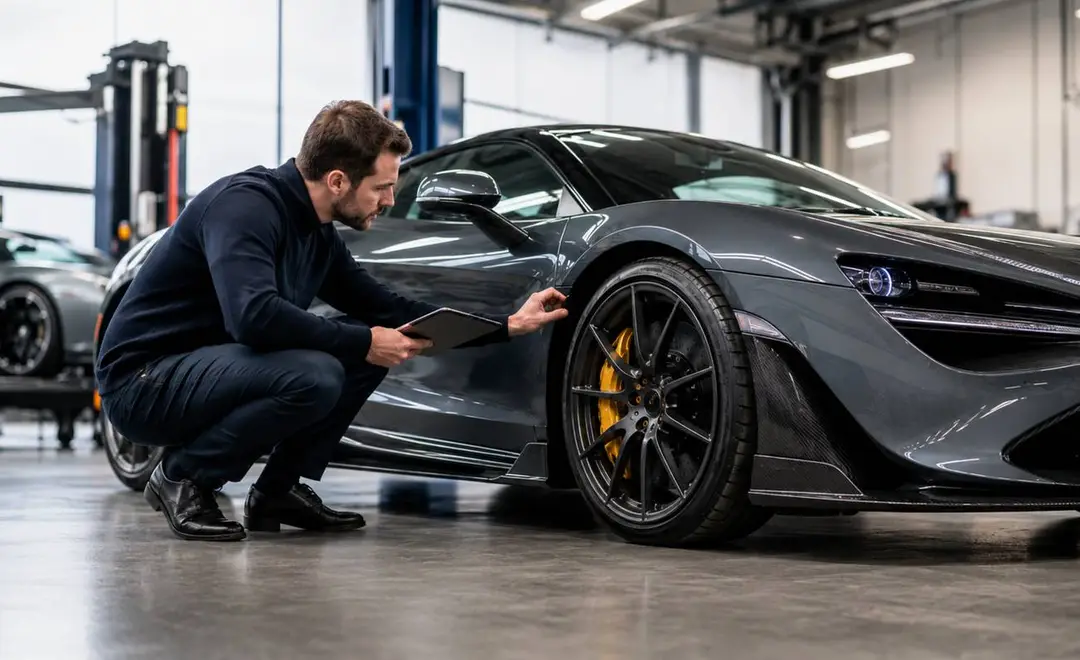
Inspect the parts when they arrive and compare them with the vehicle’s mounting areas.
Where possible, test-fit components before painting, applying adhesive, or drilling. Check panel gaps and alignment from multiple angles.
Recognize Signs of Poor Fitment
Warning signs include mounting holes that do not line up, large uneven gaps, interference with nearby panels, or a part that needs excessive force to sit in place.
If these problems occur, stop and verify the product’s compatibility. Forcing a component into position may damage both the part and the vehicle.
Consider Professional Help
Professional installation can be valuable when the project involves paint matching, bodywork, drilling, or complex mounting arrangements.
A qualified installer can identify fitment issues before permanent changes are made and help ensure that the component is secured correctly.
Preserving Ground Clearance and Safety
Exterior components should not interfere with tires, lights, sensors, cameras, doors, or other vehicle systems.
Low-mounted accessories can be vulnerable to speed bumps and steep driveways. Consider how the vehicle is used every day before selecting a design that extends close to the road.
Also check local requirements for modifications that affect vehicle dimensions, visibility, or required equipment.
Coordinating Finishes and Proportions
Painted parts, gloss black accents, matte finishes, and exposed composite surfaces can all create different visual effects.
Choose finishes that complement the vehicle’s original trim and other modifications. Too many competing colors or textures can make the exterior look inconsistent.
Plan the Whole Vehicle
Before purchasing multiple accessories, consider how each part will look from the front, side, and rear. The objective is to create a connected design rather than a series of unrelated additions.
A staged approach can be useful because it allows you to evaluate the result of each modification before deciding what to add next.
Budgeting for the Complete Project
The purchase price is only one part of the total cost. Shipping, installation, paint preparation, additional hardware, and corrective work can all increase the final expense.
Request a detailed estimate and establish which services are included. Compare suppliers based on the complete offering rather than price alone.
Retain original components where practical and keep installation records for future maintenance.
Frequently Asked Questions
1. Can a styling kit fit different generations of the same model?
Some products may fit more than one version, but compatibility must be confirmed. Differences in bodywork and mounting points can prevent interchangeability.
2. Is professional installation always necessary?
No. Some simple accessories can be installed by experienced owners. Complex parts requiring drilling, bodywork, or precise adjustment may benefit from professional fitting.
3. What should I do if an exterior part does not fit?
Stop installation and review the fitment information with the supplier. Do not force the component into place or make irreversible modifications before confirming the cause.
Conclusion
Successful sports car customization starts with accurate vehicle identification and a clear understanding of the desired design. By verifying package contents, choosing appropriate materials, testing fitment, and preserving ground clearance and safety, owners can reduce costly mistakes. A cohesive build depends on compatibility and attention to detail as much as it depends on the appearance of the individual components.
