
A car that shakes at a stoplight is trying to tell you something before it strands you. Most ignition coil symptoms show up as misfires, weak acceleration, an uneven idle, or a check engine light that appears after the engine starts missing spark. Drivers who want practical car-care guidance from trusted online resources such as automotive repair insights often look for one clear answer: is the coil failing, or is something else causing the engine to stumble?
That question matters because a coil problem can feel small at first. The car may start fine in the morning, then buck during a highway merge. It may idle clean on Monday and shake on Wednesday. On many modern vehicles, one coil fires one cylinder, so one tired coil can make the whole engine feel unsettled. This guide takes the issue from the driver’s seat to the repair bay. You will learn what the signs feel like, why they happen, how to test before buying parts, and when repair should not wait.
Ignition Coil Symptoms Drivers Notice Before Trouble Gets Worse
A weak coil rarely announces itself with one clean warning. It sneaks in through patterns. You feel a stumble under load, a strange vibration in the seat, or a light tapping in the rhythm of the engine. Then the car behaves for two trips and acts up again when the weather changes.
The trap is thinking the problem is gone because the engine ran fine after lunch. Heat, moisture, plug condition, and load can decide when a weak coil shows itself. A Ford F-150 towing a small trailer up a grade may reveal a failing coil long before the same truck does on an empty morning commute. That is why the first step is reading the behavior, not guessing the part.
How a weak spark feels during normal driving
The most common clue is an engine misfire. It may feel like one sharp jerk, a light bucking motion, or a steady shake that gets worse when you press the throttle. Some drivers describe it as the engine “skipping.” That word fits. One cylinder is missing its turn in the firing order.
At idle, the signs can be quieter. The tach needle may dip, recover, then dip again. The steering wheel may buzz while you sit at a red light. A four-cylinder sedan can feel harsher than a V8 because each missed combustion event is a larger share of the engine’s rhythm.
The counterintuitive part is that a coil can fail most clearly when you ask for more power, not when the engine is sitting still. Cylinder pressure rises during acceleration. Spark has to jump the plug gap under a tougher condition. A coil that can fire at idle may stumble when you merge onto I-95 or climb a hill outside Pittsburgh.
Why the same fault can look different across vehicles
A bad coil on one car may set a check engine light within minutes. Another may store a pending code and keep the light off until the fault repeats. Some vehicles flash the light during a severe misfire. That flashing light is not decoration. It means the engine is missing enough that raw fuel may reach the catalytic converter.
Modern coil-on-plug engines make diagnosis cleaner in one way: a single coil often belongs to one cylinder. If the scan tool shows a P0302 code, the second cylinder is being blamed. That does not prove the coil is bad, but it gives you a place to start.
Older systems can blur the picture. A coil pack may feed two cylinders. A worn plug wire can imitate a bad coil. A cracked boot can leak spark down the side of the plug well. The symptom feels the same to the driver, yet the repair is different. That is why a good technician does not stop at the first code.
Why Misfires and Rough Running Start at the Spark
An ignition coil has one job that sounds simple: turn low battery voltage into the high voltage needed to fire the spark plug. The problem is that the job happens thousands of times per minute in heat, vibration, and electrical stress. Under the hood, simple jobs do not stay simple for long.
Once spark gets weak or unstable, combustion loses its timing. The air-fuel mixture may not burn fully. One cylinder adds less power than the others, and the engine starts to feel uneven. The driver feels the result as shake, stumble, or hesitation.
The coil does more than send electricity
A coil has to build energy, release it at the right moment, and do it again without overheating. If internal windings break down, if the housing cracks, or if the boot lets spark escape, the plug may not get a clean hit. The spark may be late, weak, or missing.
That failure can feel like a fuel issue. You press the pedal, the car hesitates, and it seems starved. Many drivers assume a fuel pump or injector is failing. Sometimes they are right. Yet a weak spark can create the same flat feeling because the fuel is present but not burning well.
Think of a kitchen burner clicking without lighting every time. Gas is there, but the flame is not steady. An engine works faster and under pressure, but the idea is close enough. Fuel without reliable spark becomes wasted power, heat, and tailpipe trouble.
Why a single weak cylinder can shake the whole car
Engines are balanced around steady pulses. Each cylinder is supposed to add its push at the right time. When one cylinder misses, the crankshaft slows for a split second. You feel that as vibration, even if five or seven other cylinders are still doing their work.
This is why a small part can create such a large driving complaint. One bad coil on a six-cylinder family SUV can make the whole vehicle feel old overnight. The mounts may shake. The exhaust note may sound uneven. The cabin may feel like it has picked up a deep tremor at every stop sign.
There is also a hidden cost. A repeated engine misfire sends unburned fuel into the exhaust. The catalytic converter can overheat when it has to burn that fuel downstream. That repair can cost far more than the coil. Waiting is not the money-saving move it appears to be.
How to Check the Coil Without Throwing Parts at the Problem
Replacing parts without testing is tempting because coils are easy to blame. They fail often enough to be believable. They are also easy to buy. But guessing can turn a $70 repair into a weekend of frustration, especially when the true cause is a plug, boot, connector, injector, vacuum leak, or compression issue.
A better path is slower at the start and faster by the end. Confirm the cylinder. Check the basics. Move one suspect at a time. A home mechanic with a scan tool and patience can do much of this, though some tests belong in a shop.
Read codes, freeze-frame data, and plug condition first
Start with the code, not the parts counter. A P0300 points to random misfires. A P0301 through P0308 points to a numbered cylinder. Freeze-frame data can show when the fault happened: engine temperature, speed, load, and rpm. That small snapshot matters.
If the misfire appeared at high load, a weak coil or worn plug becomes more likely. If it happened at idle with fuel trim numbers far off, air leaks or fueling faults deserve attention. This is where an engine misfire diagnosis guide can help you sort the path before you spend money.
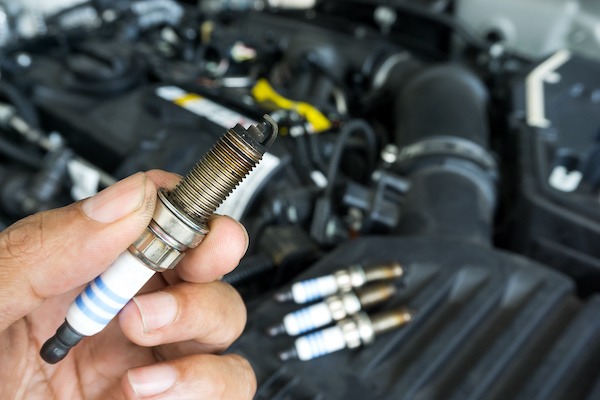
Then pull the spark plug from the suspect cylinder if access allows. Look for a worn electrode, oil in the plug well, a cracked porcelain body, or the wrong spark plug gap. A new coil will not cure a plug swimming in oil from a leaking tube seal. It may work for a week, then fail again.
Swap tests, spark tests, and when to stop
On many coil-on-plug engines, a swap test is useful. Move the suspect coil to another cylinder, clear the codes, then drive until the fault returns. If the misfire follows the coil, you have strong evidence. If it stays on the same cylinder, keep testing.
Do not pull a coil and create open spark near fuel vapor. Do not unplug coils on a running engine unless the service information for that vehicle allows it. Modern ignition systems can bite, and control modules do not enjoy careless testing. ASE’s automobile study guide treats scan tools, meters, and ignition checks as normal engine-performance work for a reason: testing has a method.
A shop may use a lab scope to watch coil firing patterns. That can reveal weak output, burn time changes, or command issues from the computer. For most owners, the stopping point is simple. If the code, plug inspection, connector check, and swap test all point to the coil, replace it. If they disagree, do not force the answer.
Repair Choices, Costs, and Damage You Can Avoid
Once the fault is confirmed, the repair choice depends on vehicle age, access, mileage, and how the other ignition parts look. One car needs one coil and a plug. Another needs plugs, boots, and several coils because everything under the engine cover has aged together.
The best repair is not always the biggest one. It is the one that matches the evidence. That sounds dull, but dull repairs are often the ones that stay fixed.
When one coil is enough and when a full set makes sense
If one coil fails on a late-model car with 45,000 miles and the plugs look clean, replacing only that coil may make sense. There is no honor in replacing good parts. The same logic applies when the coil sits on top of the engine and takes five minutes to reach.
The math changes on a V6 where the rear bank sits under the intake manifold. If the intake must come off, it may be smart to replace spark plugs and inspect all rear coils while you are there. Labor, not the part, becomes the pain. A careful owner may also ask for a spark plug replacement checklist before approving the job.
Use original equipment or trusted brand parts when possible. Cheap coils can create odd problems, from radio noise to repeat misfires under load. That does not mean the most expensive box wins. It means the part should match the vehicle’s electrical demands and fit the boot and connector cleanly.
What happens when you keep driving
Driving with a confirmed coil fault is a gamble. The car may still move, but it is not healthy. The catalytic converter can overheat. Fuel economy can drop. The engine can run hot in one area and cold in another. Even motor mounts take extra abuse when the engine shakes for weeks.
There is a safety angle too. A stumble during a left turn across traffic feels different from a stumble in the driveway. A weak coil that acts up under load can turn a normal merge into a nervous one. The car may not stall, but hesitation at the wrong second is enough.
The non-obvious point is that mild symptoms can be more dangerous for your wallet than dramatic ones. A car that barely runs gets fixed. A car that only bucks once every few days gets ignored. That slow delay is how a coil problem becomes a converter problem, then an inspection problem in states with emissions testing.
Conclusion
A failing coil is not a mystery once you pay attention to when the engine acts up. The pattern matters more than the noise. Does the car stumble under load? Does the check engine light flash? Does a cylinder code move when the coil moves? Those answers take you closer to the truth than guessing ever will.
The smartest move is to treat ignition coil symptoms as early warnings, not background annoyance. A weak spark can start as a slight shake and end as wasted fuel, poor power, and expensive exhaust damage. Testing protects your budget because it separates a bad coil from a worn plug, cracked boot, injector fault, or wiring issue.
For most drivers, the rule is plain. Do not ignore a repeated misfire, and do not replace parts without proof. Read the codes, inspect the plug, test the suspect coil, and repair the cause before the car teaches the lesson the expensive way.
Frequently Asked Questions
How do I know if a coil is bad or the spark plug is worn?
A scan code tells you which cylinder is missing, but it does not name the part. Pull the plug if you can. A worn electrode, oil-filled well, or wide spark plug gap can mimic a bad coil. A swap test helps confirm the coil.
Can I drive with one bad coil for a few days?
You can sometimes limp the car, but it is risky. A repeated misfire can send raw fuel into the exhaust and overheat the catalytic converter. Short trips to a repair shop are one thing. Normal driving for days is asking for a larger bill.
Why does my car shake only when stopped at a light?
At idle, the engine has less momentum to hide a weak cylinder. One missed power pulse can shake the body, steering wheel, or seat. The same fault may feel smaller at speed because the engine is turning faster and road movement hides it.
Will a bad coil always turn on the check engine light?
No. Some cars store a pending code before the light comes on. Others trigger the light after the fault repeats. A flashing light is more serious than a steady one because it often means the misfire could damage the catalytic converter.
Should I replace all coils at the same time?
Not always. If one coil failed early and access is easy, replacing one may be enough. If the vehicle has high mileage, old plugs, or hard-to-reach coils under an intake manifold, replacing more parts during the same labor job can make sense.
What does a coil misfire feel like on the highway?
It often feels like a brief jerk, buck, or loss of pull when you press the gas. The car may cruise smoothly, then stumble during passing or climbing. Higher cylinder pressure under load makes weak spark show itself sooner.
Can rain or humidity make coil problems worse?
Yes. Moisture can expose cracked coil housings, worn boots, or weak insulation. The car may run better on dry days and stumble after rain or a car wash. That pattern points toward spark leakage, though testing is still needed.
Is a cheap replacement coil worth buying?
A cheap coil may work, but poor fit or weak output can create repeat trouble. Use a trusted brand or original equipment part when possible. The coil has to match the engine’s electrical needs, not only plug into the connector.
