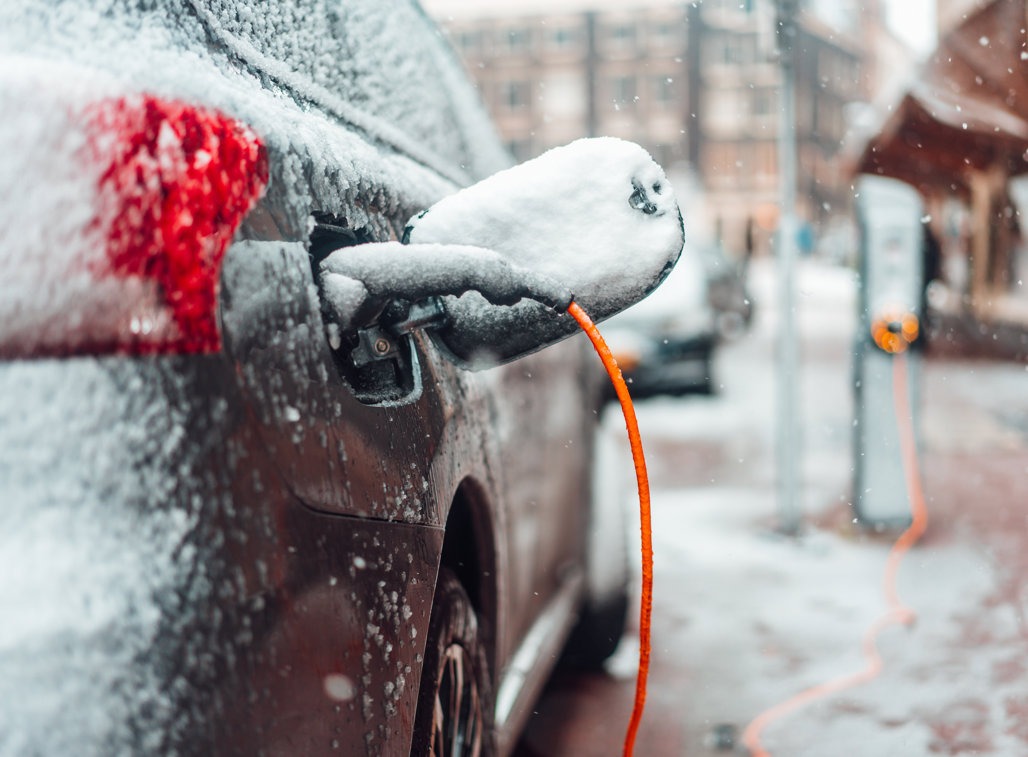
The first winter surprise is emotional. You bought a truck with huge power, wild torque, and a pack large enough to calm range anxiety on paper. Then the temperature drops into single digits, the range estimate falls, and fast charging feels less fast. That can feel like a defect, but many times it is the truck protecting itself.
Cold cells need protection before they need speed
Lithium-ion cells do not like being cold. They can still work, but they resist both giving energy and accepting energy when their temperature falls too low. The thermal management system has to warm the pack enough for safe output, charging, and regen. That takes energy before the wheels ever move.
This is why battery preconditioning matters more in a Hummer EV than in a small commuter hatchback. A giant truck has more mass to push, more cabin space to heat, and more tire drag to overcome. The system is not only warming cells. It is preparing a whole electric platform for work.
A non-obvious point: a larger pack does not always make cold weather feel easier. It gives you more total stored energy, yes, but it also gives the system more physical material to bring into a healthy temperature window. Big capacity can hide winter loss on longer trips, yet it can also make short errands feel wasteful because warm-up energy gets spread across fewer miles.
Range loss is often a planning problem, not a failure
EV cold weather range drops because the vehicle spends energy on heat, faces thicker air, runs on colder tires, and may limit some functions until the pack is ready. The Hummer EV adds another layer because it is wide, heavy, and often fitted with aggressive tires. Those traits are fun off-road. They are not gentle on winter efficiency.
Take a driver in suburban Detroit who parks outside, drives six miles to work, and leaves the truck unplugged all night. That owner may see poor miles-per-kWh because the truck spends a large share of the trip warming itself. A driver who parks in a garage, stays plugged in, and schedules preconditioning may see a calmer drop on the same morning.
That does not mean every complaint is user error. If the range estimate collapses beyond the pattern of weather, driving, and charging habits, or if a warning light appears, treat it as data. Keep dates, temperatures, state of charge, charging speed, and warning messages. A dealer visit is stronger when you bring a pattern, not a hunch.
Charging Delays, Preconditioning, and the Winter Fast-Charge Trap
Cold charging is where many owners first suspect a serious issue. You pull into a DC fast charger, expect the truck to gulp power, and the session starts slower than planned. The charger may not be the villain. The truck may be warming the pack before it allows higher charge rates.
Why a cold fast charger stop can feel broken
Fast charging works best when the pack is in a suitable temperature range. In cold weather, the vehicle may limit power to protect the cells. That can make a high-output charger feel ordinary until the pack warms. The thermal management system is doing its job, even if the screen makes the session feel disappointing.
The trap is arriving cold and low. If you leave a ski cabin in Vermont at 12°F, drive a short distance, and stop to charge before the pack has warmed, the truck may spend time preparing itself instead of accepting peak power. That lost time feels worse in a Hummer EV because the pack is large and the miles added per minute can feel lower than expected.
Battery preconditioning should happen before the charger, not after frustration begins. When the truck is plugged in at home, it can draw grid power to warm the cabin and pack. That saves more stored energy for driving. The U.S. Department of Energy winter EV guidance also supports warming the vehicle while it is still charging.
Home charging habits matter more than public charger speed
A Level 2 home charger is not glamorous, but in winter it may be the most useful tool you own. It lets the truck sit connected long enough to maintain a healthier pack temperature, recover overnight range, and start the day with fewer compromises. Public DC charging still matters on trips, but it cannot fully fix poor preparation.
Many owners focus on the charger number first. That is backward. In cold states, the better question is whether the truck had enough time and power to prepare before departure. A 350 kW station cannot erase a routine built around outdoor parking, low state of charge, and no preconditioning.
For owners building a winter routine, EV charging setup tips should sit beside any range guide. The best winter setup is boring: plug in often, schedule departure, keep the cabin heat sensible, and avoid treating a frozen pack like a warm summer pack.
Symptoms That Look Like Thermal Problems but May Be Normal
A winter Hummer EV can show behaviors that feel alarming at first. Reduced regen, slower acceleration response, lower range estimates, louder thermal noises, and delayed charging speeds can all appear when the system is protecting the pack. The key is separating expected limits from signs that need service.
Reduced regen and power limits can be protective
Regenerative braking depends on the pack’s ability to accept energy. When the pack is cold or near full, the truck may reduce regen. The brake pedal still works, but one-pedal driving can feel different. That change can surprise owners who rely on regen every day.
The same logic applies to power. If the system thinks the cells are outside their preferred range, it may hold back performance. In a vehicle known for wild launch force, any limit feels dramatic. But a short-term limit during a cold start is different from a repeat warning that stays after the truck is warm.
A useful test is timing. If regen improves after driving and cabin heat settles down, you are likely seeing normal cold behavior. If the limit remains after a long drive, appears in moderate weather, or arrives with service messages, document it. Cold is an explanation, not a free pass for every symptom.
Watch the pattern, not one bad morning
One ugly morning can lie to you. Wind, slush, tire pressure, speed, heater use, payload, and state of charge all change the result. A Hummer EV towing snowmobiles through northern Wisconsin will not behave like the same truck doing school drop-off in Boise.
The better method is a simple log. Track outside temperature, parking location, starting charge, route length, charger type, and whether battery preconditioning was used. After two weeks, the pattern usually becomes clear. You may find the truck is predictable when plugged in and erratic when left outside unplugged.
Here is the counterintuitive part: the dashboard estimate may make owners more anxious than the actual trip should. Guess-o-meters respond to recent use, cabin demand, and conditions. A sudden range drop does not always mean the pack lost that much usable energy. It may mean the vehicle is warning you that winter driving will cost more per mile.
How Owners in Extreme Cold Can Reduce Stress and Catch Real Faults
Once you understand the pattern, winter ownership becomes less mysterious. You are not trying to defeat physics. You are trying to give the truck a fair start, then notice when it still behaves outside the normal cold-weather band.
Build a cold-start routine that fits American winters
The best routine starts before the drive. Plug in whenever practical, especially overnight. Set departure times when available. Warm the cabin while connected. Keep tires at the correct pressure. Brush snow from the body, not only the glass, because extra drag adds up at highway speeds.
In places like Minneapolis or Buffalo, the routine should change once temperatures fall below freezing for days at a time. Keep more charge than you would in September. Plan charging stops earlier. Do not arrive at a remote DC charger with a cold, low pack and a tight schedule.
Cabin heat is another hidden drain. Seat and steering wheel heaters can make the driver comfortable while using less energy than blasting hot air through the whole cabin. That does not mean you should freeze yourself. It means you should heat with intent, especially on short trips where warm-up energy dominates the drive.
Know when to involve the dealer
Normal winter behavior should improve as the truck warms or when the weather softens. Service-worthy behavior often repeats across conditions. Warning lights, charging sessions that fail across multiple stations, range loss that does not match use, strange coolant smells, or thermal system messages deserve attention.
Bring clean notes to the dealer. A vague complaint like “range is bad” is hard to diagnose. A record that says “at 18°F, plugged in overnight, started at 78%, preconditioned for 30 minutes, DC charge held unusually low for 40 minutes at two chargers” gives the technician something to work with.
Owners should also keep software current. EV behavior can change through updates, especially around charging logic, route planning, and thermal controls. For broader maintenance planning, winter vehicle care checklists can help you build habits that include tires, wipers, coolant systems, and charging gear.
Conclusion
Cold weather does not turn the Hummer EV into a bad truck. It turns it into an honest one. The size, power, and weight that make it feel special in mild weather also make winter energy use harder to ignore. Drivers who expect summer behavior in January will be annoyed, but drivers who plan around preconditioning, home charging, and realistic trip buffers will have a better time. The Hummer EV battery needs heat, time, and steady charging habits before it can deliver its best work in extreme cold. That is not a weakness unique to one truck; it is the tradeoff behind every large electric vehicle used in hard winter states. Still, owners should not excuse repeated warnings or failed charging as normal. Track the facts, compare patterns, and push for service when the evidence points beyond weather. Respect the cold, prepare the truck early, and winter becomes a system to manage instead of a surprise to fear.
Frequently Asked Questions
How much range can a Hummer EV lose in freezing weather?
Range loss depends on temperature, speed, tires, heater use, parking location, and whether the truck was plugged in before departure. A short cold trip can look worse than a long one because warm-up energy takes a larger share of the drive.
Is slow charging normal for a Hummer EV in extreme cold?
Yes, slow charging can be normal when the pack is cold. The truck may limit charging power until the cells reach a safer temperature. If slow charging happens after preconditioning or across several chargers in mild weather, document it and contact a dealer.
What is the best way to precondition a Hummer EV before winter driving?
Plug the truck in, set a departure time when possible, and warm the cabin before leaving. This lets the vehicle draw power from the charger instead of spending stored driving energy on heat during the first miles.
Why does regenerative braking feel weaker on cold mornings?
Regen can be reduced when the pack is cold because the cells may not accept energy as easily. The truck may restore stronger regen after driving for a while. If the behavior stays after warm-up, record the details.
Can parking outside damage the Hummer EV in winter?
Outdoor parking does not automatically damage it, but it makes the thermal system work harder. A garage, even an unheated one, can reduce cold soak. Staying plugged in helps the vehicle maintain better pack conditions.
Should I keep more charge in winter than in summer?
Yes, keeping a larger buffer is smart in cold climates. Heating demand, slower charging, traffic delays, and winter road conditions can all raise energy use. Avoid starting long winter trips with the same slim margin you might accept in warm weather.
Are winter tires worth it on a Hummer EV?
Winter tires can improve grip, braking, and confidence on snow or ice. They may reduce efficiency compared with mild-weather tires, but safety matters more. Check pressure often because cold air can lower tire pressure and raise rolling resistance.
When should I take my Hummer EV to the dealer for cold-weather issues?
Book service if you see warning messages, repeated charging failures, coolant-related alerts, or performance limits that do not improve after warm-up. Bring a log with temperatures, charge levels, charger locations, and preconditioning details so the issue is easier to trace.
