
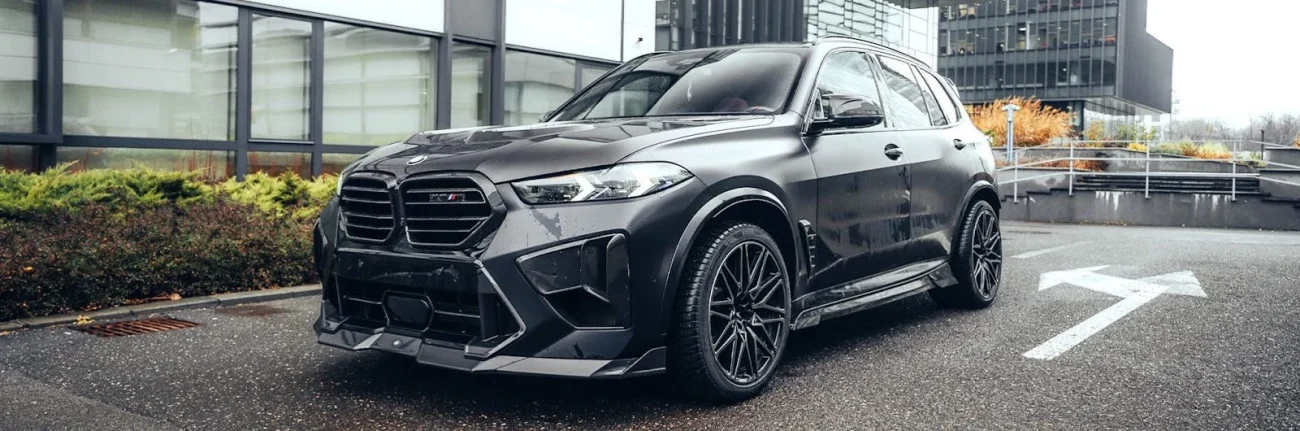
The front grille is one of the most recognizable parts of a vehicle’s exterior. Its shape, pattern, finish, and relationship with the headlights help establish the character of the front end. A grille replacement can therefore make a noticeable visual difference without requiring changes to the entire body.
However, the right choice must balance appearance with compatibility, airflow requirements, mounting quality, and access to equipment located behind the grille.
The Role of the Grille in Front-End Design
A grille creates a visual connection between the headlights and the lower bumper. Depending on the vehicle, it may also provide an opening for airflow to the radiator, condenser, or other cooling components.
Some modern vehicles use active grille shutters or integrate cameras and sensors into the front fascia. These features mean that a grille is not always a simple decorative panel.
Before choosing an aftermarket replacement, understand the original grille’s purpose and the equipment associated with it. A design that looks attractive but obstructs required airflow or interferes with sensors may not be suitable.
Common Grille Styles
Grilles are available in many shapes and patterns. Mesh designs create a fine, technical appearance, while horizontal slats can emphasize width. Vertical patterns may create a more upright look, and open designs can provide a more aggressive visual character.
The best style depends on the vehicle’s proportions. A large pattern may suit a broad front fascia, while a smaller pattern can look more balanced on a compact car.
Finish also matters. Gloss black, matte surfaces, chrome accents, and exposed composite-style details can produce very different impressions. Consider the existing trim and paint colour before choosing a replacement.
Understanding Carbon Fiber Grille Options
A carbon fibre grilles product may use a composite construction, a decorative overlay, or a finish designed to imitate a carbon weave. These options can look similar in images but differ in construction and installation.
Buyers should ask what material is actually used and whether the product is a complete grille assembly or a decorative cover. They should also verify the finish, mounting hardware, and compatibility with the original front fascia.
The material should suit the application. A grille must withstand outdoor exposure and routine cleaning, while its openings and surrounding structure must remain appropriate for the vehicle’s requirements.
Confirming Compatibility
Grille compatibility can vary by model year, trim level, bumper design, and regional specification. Some vehicles have different grilles for standard and sport packages, while others integrate cameras or sensors into particular locations.
Confirm the exact vehicle details before ordering. Check whether the product accommodates factory badges, cameras, parking sensors, radar equipment, and any active shutter mechanism.
It is also important to determine whether the grille uses factory clips and mounting points or requires additional hardware. If modifications are needed, establish what they involve before purchase.
Installation Preparation
Before removing the original grille, review the vehicle’s service instructions where available. Some grille assemblies require partial bumper removal, while others can be accessed more directly.
Work carefully around clips and electrical connectors. Excessive force can damage plastic mounting points or nearby trim.
Before fitting the replacement, compare its shape and mounting locations with the original part. Confirm that all necessary openings and attachment points align.
Once installed, verify that the grille is secure and that the bumper, headlights, and surrounding trim fit correctly. If the vehicle has cameras or sensors in the grille area, their operation should be checked according to the manufacturer’s procedures.
Airflow and Cooling Considerations
A grille’s open area can influence airflow through the front of the vehicle. Replacing an original design with a substantially different pattern may affect how air reaches the components behind it.
The impact depends on the vehicle’s cooling layout and the grille’s design. Decorative appearance should not take priority over the required airflow or operation of active shutters.
If the replacement changes the original opening significantly, seek confirmation that it is suitable for the specific vehicle. This is especially important for vehicles used in demanding conditions or those with modified powertrains.
Maintaining the Grille’s Finish
The front grille is exposed to insects, road debris, dirt, and weather. Regular cleaning helps maintain its appearance and allows the owner to identify cracks, loose sections, or damage.
Use cleaning products appropriate for the finish. Fine mesh and intricate patterns may require a soft brush or careful rinsing to remove accumulated debris without damaging the surface.
Inspect the mounting clips and surrounding trim periodically. If the grille becomes loose or develops sharp broken edges, repair or replace the affected parts.
Frequently Asked Questions
1. Can I replace my factory grille with any aftermarket design?
No. Fitment depends on the vehicle’s exact configuration and the equipment installed behind the grille. Confirm compatibility before ordering.
2. Does a more open grille always improve cooling?
No. Cooling performance depends on the complete airflow design, not simply the visible opening size. The replacement should be suitable for the vehicle’s cooling requirements.
3. How do I maintain a grille with a fine mesh pattern?
Use appropriate automotive cleaning products and gentle tools. Remove trapped dirt carefully and inspect the mounting points for damage.
Conclusion
A grille replacement can refresh a vehicle’s front-end appearance when its design complements the headlights, bumper, and existing trim. Buyers should verify material construction, vehicle compatibility, airflow requirements, and sensor integration before purchasing. Proper installation and regular cleaning help preserve both the finish and the grille’s intended function.
