
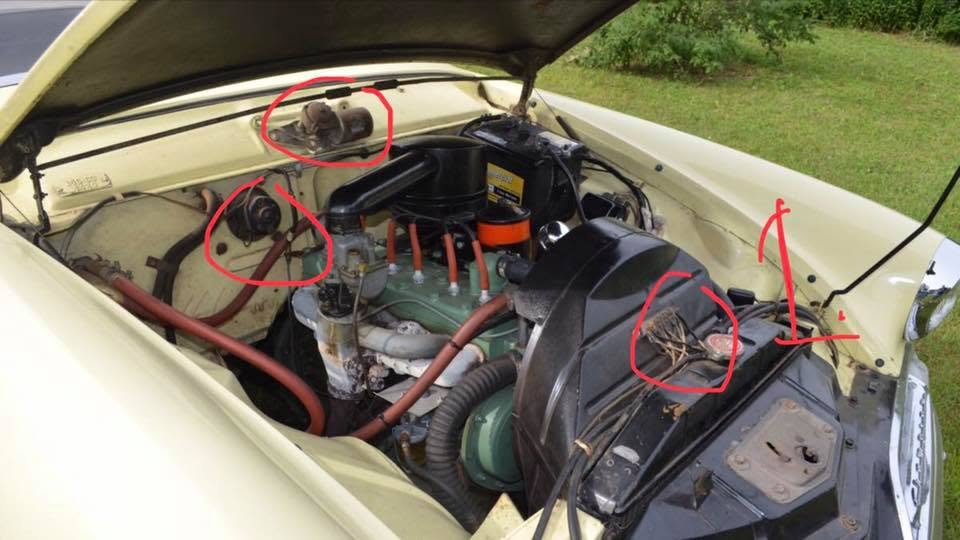
A Champion that starts clean, settles into a soft idle, and pulls away without a cough feels like a different car from one that needs feathering at every stop sign. This Studebaker Champion carburetor rebuild guide is for U.S. owners who want the car to run right without losing the factory character that made the Champion pleasant in the first place. The goal is not to make a small six act like a modern engine. The goal is better manners from the parts Studebaker intended to use. That means checking tags, casting marks, linkage style, choke parts, fuel pump behavior, and every small piece that affects mixture. Owners who trade notes through clubs, swap meets, local shops, and classic restoration resources already know the hard truth: the wrong shiny replacement can create more work than a tired original. A careful rebuild respects that. It fixes the leak, the stumble, the sticky float, and the dried gaskets while keeping the old car honest.
Why a Carburetor Rebuild Guide Protects Original Equipment Parts
Originality is not only about judging sheets or a clean engine bay at a Saturday morning cars-and-coffee. On a Champion, the carburetor sits at the center of drivability. A one-barrel Carter, Stromberg, or other period-correct unit may look simple, but its bore size, metering rod behavior, throttle arm, choke pull, and vacuum passages were matched to a light six-cylinder car built for smooth use, not drama. The tension starts when an owner sees a cheap replacement online and assumes fit means function. The wiser move is slower: identify what you have, compare it with the car’s year and engine, then decide whether original equipment carburetor parts can be saved.
Matching the Unit Before You Touch a Screw
Start with identification before cleaning, soaking, or ordering anything. Many postwar Champions used Carter WE-family one-barrels, while some earlier cars and replacement histories point toward Stromberg or other units. That does not mean every carburetor sitting on a Champion today belongs there. Seventy years of repairs can hide surprises. A car that passed through three owners in Iowa, one farm shop in Kansas, and one estate sale in Ohio may carry a workable carb that came from a different year.
Look for the metal tag first. If it is gone, study the casting number, throttle body shape, choke linkage, and fuel inlet position. Take photos from all four sides before removal. Mark the fuel line angle and throttle rod location with tape. Small details save you from building a pretty unit that fights the rest of the Studebaker Champion fuel system when it goes back on the manifold.
The counterintuitive part is this: dirt can be useful for a few minutes. Old gasket outlines, fuel stain paths, and screw witness marks show how the unit was living on the car. Wipe too early and you erase clues. One Champion owner in Pennsylvania found that his “carb problem” was a bent throttle rod rubbing after a past engine mount change. The carburetor looked guilty. The linkage was the thief.
Keep a small notebook with the carb number, kit number, float setting source, and any odd marks found during removal. That record may feel fussy on day one. Two years later, when the car starts acting up before a July parade, those notes can keep you from repeating the same detective work.
When Original Parts Beat a Shiny Replacement
A new-looking carburetor can feel tempting because it promises a clean break from old trouble. That promise often fades when the throttle arm points the wrong way, the choke cable travel is off, or the air cleaner no longer sits as Studebaker planned. A Champion is not picky for no reason. It is a light, modest car with a small engine, so small mixture errors show up as flat spots, hard starts, or a sour idle.
This is also where judging and driving needs meet. A car built with the right style of air horn, choke hardware, and fuel inlet does not only look closer to stock. It tends to ask for fewer little compromises under the hood.
Original equipment carburetor parts also preserve the way the car responds under light throttle. That matters more than peak power. A factory-style one-barrel may not impress anyone on paper, yet it often gives better parking-lot control, smoother takeoff, and cleaner low-speed driving than a mismatched replacement. The driver feels that difference at 18 mph while easing through a neighborhood, not during a wide-open run.
Before buying a substitute, compare the full system. Air cleaner fit, heat riser action, fuel pump pressure, vacuum advance, choke cable routing, and manifold condition all matter. A classic fuel system maintenance checklist can keep those pieces in order. Rebuilding the correct carb may take more patience, but it avoids the slow drift that turns a preserved Champion into a collection of almost-right parts.
Diagnosing Fuel Trouble Before Blaming the Carb
The carburetor often gets blamed because it sits in plain sight and smells like fuel when things go wrong. Fair enough. Still, a Champion’s running problem may begin outside the bowl. Weak ignition, stale gasoline, vacuum leaks, excess fuel pressure, a sticky heat riser, or a tired battery can mimic carb faults. The practical route is to test the car as a system before opening the carburetor. That discipline saves money and pride. It also keeps you from rebuilding the same unit twice because the root fault never left the car. Think of the Studebaker Champion fuel system as a short chain: tank, line, pump, filter, carburetor, manifold, and spark working beside it. When one link lies, the carburetor gets blamed because it is the piece you can see. A patient owner separates delivery problems from metering problems before opening the bowl.
Cold Starts, Hot Restarts, and Flat Spots
Write down the symptom before touching tools. A cold-start problem points in a different direction than a hot restart after ten minutes at the hardware store. A stumble from a stop may involve the accelerator pump or linkage, while a rich idle may involve float level, needle sealing, choke position, or fuel pressure. The more exact the complaint, the less you guess.
A useful test is boring: watch the choke. With the engine cold, confirm that the plate moves through its full travel and that the cable or linkage does not bind. As the engine warms, make sure it opens fully. Many owners chase jets and gaskets while the choke hangs a little closed. That slight angle can make a good carb smell rich and behave like it needs major surgery.
Flat spots deserve patience. A weak pump shot can come from a dried leather or rubber pump, but it can also come from loose linkage that delays movement. Have someone press the pedal while you watch the throttle arm at the carb. A quarter inch of slop at the pedal can feel like a fuel problem from the driver’s seat. It is not glamorous work. It is the work that wins.
Fuel Pump Pressure, Vacuum Leaks, and Old Gas
Old cars do not always enjoy modern fuel habits. Ethanol-blended gasoline can age poorly in cars that sit, and many Champions spend more time parked than driven. A carburetor full of stale fuel may develop varnish in passages small enough to make a sewing needle look large. Fresh fuel and a clean filter should come before deep adjustment.
Vacuum leaks are another trap. Spray testing around the base gasket, manifold ports, and wiper vacuum fittings can reveal a lean condition that no idle screw can fix. A cracked hose or warped base gasket may cause the same roughness an owner blames on jets. When the idle mixture screw seems to do almost nothing, suspect air entering where it should not.
Fuel pump pressure matters because a needle and seat can only hold back so much. Too much pressure can raise bowl level and create rich running, drips, and hot soak trouble. Too little pressure can starve the engine under load. If a shop handles this work, use the FTC auto repair basics as a plain-language reminder to ask about estimates, replaced parts, and technician experience. A vintage carb is small, but a vague repair order can still get expensive.
Rebuilding the One-Barrel Without Losing Factory Behavior
Once testing points back to the carb, the bench work should feel calm rather than heroic. A Champion carburetor is not a puzzle box, yet it rewards order. Clear space, clean trays, good light, and a phone camera beat memory every time. The friction comes from small parts that look harmless until one rolls under the workbench. The resolution is a method that treats each screw, spring, check ball, and gasket as part of a measured system. This is where a proper Carter carburetor rebuild kit helps, but the kit is not a cure by itself.
Tear-Down Habits That Save Small Parts
Drain the carburetor into a safe container before disassembly. Work away from open flame, label every linkage clip, and place parts in the order they came off. A muffin tin, egg carton, or row of marked bags may look silly until you are staring at two similar screws with different tips. Then it looks smart.
Do not force stuck screws at the bowl cover or throttle body. A fitted screwdriver and light tapping can save an old casting. Heat may help in skilled hands, but too much can warp parts or scar pot metal. The best rebuilds often look slow from the outside. That is because no one sees the five minutes spent finding the right bit.
Check the throttle shaft before the carb goes into cleaner. Excess shaft wear allows air to enter around the plates, which can ruin idle quality even after every gasket is new. Some owners miss this because the carb looks beautiful after soaking. Beauty does not seal a worn shaft. A slightly worn original may still run fine, but a loose one needs bushing work or a better core.
Gaskets, Needles, Float Level, and Check Balls
A Carter carburetor rebuild kit should match the carb number, not a vague year range. Kits may include gaskets, needle and seat, accelerator pump parts, and small check pieces, but contents vary. Lay the old parts beside the new ones before installation. If a gasket blocks a passage or leaves one uncovered, stop. Close enough is not close enough inside a fuel circuit.
Float work needs a gentle hand. Brass floats can crack or take on fuel; composite floats can age in their own ways. Shake a brass float near your ear and inspect for stains around solder seams. A heavy float raises fuel level and can flood the engine even with a new needle. A float set too low can make the car stumble when pulling away from a stop.
Check balls and small weights are easy to lose and easier to install in the wrong place. Their job is to control fuel movement through the accelerator pump circuit. If the pump well is clean but the discharge path is wrong, the engine may still hesitate. That is the odd lesson of one-barrel work: the smallest part can have the loudest voice when you step on the pedal.
Setting Up the Car After the Bench Work
The rebuild is not finished when the carburetor looks clean on the bench. It is finished when the Champion starts, warms, idles, pulls, and restarts without fuss. The last ten percent of the job decides whether the Studebaker Champion fuel system feels sorted or merely assembled. Installation brings its own traps: a vacuum leak at the base, overtightened mounting nuts, a fuel line under strain, or a choke cable clamped at the wrong point. The final setup should be done with the same care as the disassembly. A preserved car deserves a road test, not a victory lap around the driveway.
Idle Mixture and Linkage Feel
Mount the carb with a fresh base gasket and tighten evenly. Do not crush the base to prove commitment. Pot metal and old manifolds dislike heavy hands. Reconnect the throttle linkage so the pedal opens the throttle fully without holding it off the idle stop. Then confirm the choke reaches both ends of travel.
Set the idle only after the engine is warm and the choke is open. Small turns matter. If the idle mixture screw has little effect, do not keep turning it in anger. Look for vacuum leaks, wrong gasket placement, throttle plates held open, or ignition timing issues. Carburetor adjustment cannot repair a distributor problem.
A good setup feels boring. The pedal should move without a hitch, the engine should return to idle after a quick blip, and the car should not need constant nursing at stops. If you are also sorting plugs, points, timing, and valve tune, a vintage engine tune-up steps article pairs well with this work. Carburetion and ignition shake hands every mile.
Road Testing Without Chasing Every Wobble
Choose a quiet route with a cold start, a full warm-up, a few stops, light hills if possible, and a hot restart. Bring a screwdriver, flashlight, rag, and small wrench. Leave the air cleaner installed for normal testing because airflow can change without it. Many driveway adjustments fail on the road because the test was not like driving.
Do not begin the test with a trunk full of tools and a nervous passenger waiting for disaster. Pick a loop near home, drive it twice, and let the car tell the same story both times. Repeatable behavior is data. Random behavior is a reminder to slow down.
Listen for the pattern, not one random stumble. A single cough after months of sitting may clear with fresh fuel and use. A repeat stumble at the same throttle opening points toward pump shot, transition fuel, or linkage. A rich smell after shutdown may point toward heat soak, float level, or needle sealing. Do not chase all three at once.
The non-obvious win is knowing when to stop. Owners sometimes tune past the sweet spot because they expect perfection from old hardware. The Champion should start well, idle cleanly, and drive with confidence. It does not need to feel like a fuel-injected sedan. When the car behaves like a healthy old Studebaker, close the hood and put miles on it.
Conclusion
A Champion rewards the owner who slows down long enough to respect how the factory parts work together. The carburetor is not an isolated gadget; it is tied to ignition, fuel delivery, vacuum, heat, linkage, and driver feel. A smart carburetor rebuild guide keeps that bigger picture in view while still giving the small parts their due. That is why original equipment carburetor parts are worth saving when the casting is sound and the linkage fits the car. The payoff is not bragging rights. It is the calm start on a cool morning, the clean pull from a stop sign, and the sense that the car is speaking in its own voice again. Keep notes, keep the old parts you replace, and make one change at a time. Then drive the Studebaker enough to let the repair prove itself on real roads.
Frequently Asked Questions
How do I know which carburetor belongs on my Studebaker Champion?
Check the metal tag first, then compare casting numbers, linkage layout, choke style, and fuel inlet position against year-specific parts references. Many cars have received swaps over decades, so do not trust appearance alone. A correct-looking unit can still belong to another model year.
Is it worth rebuilding an original Champion carburetor instead of replacing it?
Yes, when the casting is sound, the throttle shaft is usable, and key linkage parts remain intact. The original unit often fits the air cleaner, choke, fuel line, and throttle rod better than a replacement. That fit can mean smoother driving.
What symptoms point to a bad accelerator pump?
A stumble when pulling away, a cough during quick throttle movement, or hesitation after the car has sat can point toward pump trouble. Confirm linkage movement first. A delayed throttle arm can mimic a weak pump shot and send you in the wrong direction.
Can modern gasoline cause problems in a vintage Studebaker carburetor?
Yes, especially when the car sits for long periods. Aging fuel can leave varnish in small passages, and heat can make hot restarts harder. Fresh fuel, clean filters, and regular driving help reduce trouble before any adjustment begins.
What should come in a Carter carburetor rebuild kit?
A matching kit may include gaskets, needle and seat, accelerator pump parts, and small check components. Contents vary by supplier and carb number. Compare every new gasket with the old one before assembly so no fuel or vacuum passage gets blocked.
Should I adjust the carburetor before checking ignition timing?
No. Ignition timing, points condition, plugs, and vacuum leaks should be checked before fine carb adjustment. A carburetor can only meter fuel and air. It cannot hide weak spark, wrong timing, or air entering below the throttle plates.
How tight should the mounting nuts be on a Champion carburetor?
Snug and even is the goal. Heavy tightening can warp the base, damage old castings, or crush the gasket. Tighten in small steps, then check for vacuum leaks after warm-up. If the base is already warped, force will not fix it.
When should I send the carburetor to a specialist?
Use a specialist when the throttle shaft is loose, the casting is damaged, screws are seized, or key parts are missing. A trained rebuilder can bush shafts, repair threads, and identify mismatched pieces. That may cost less than ruining a scarce core.
