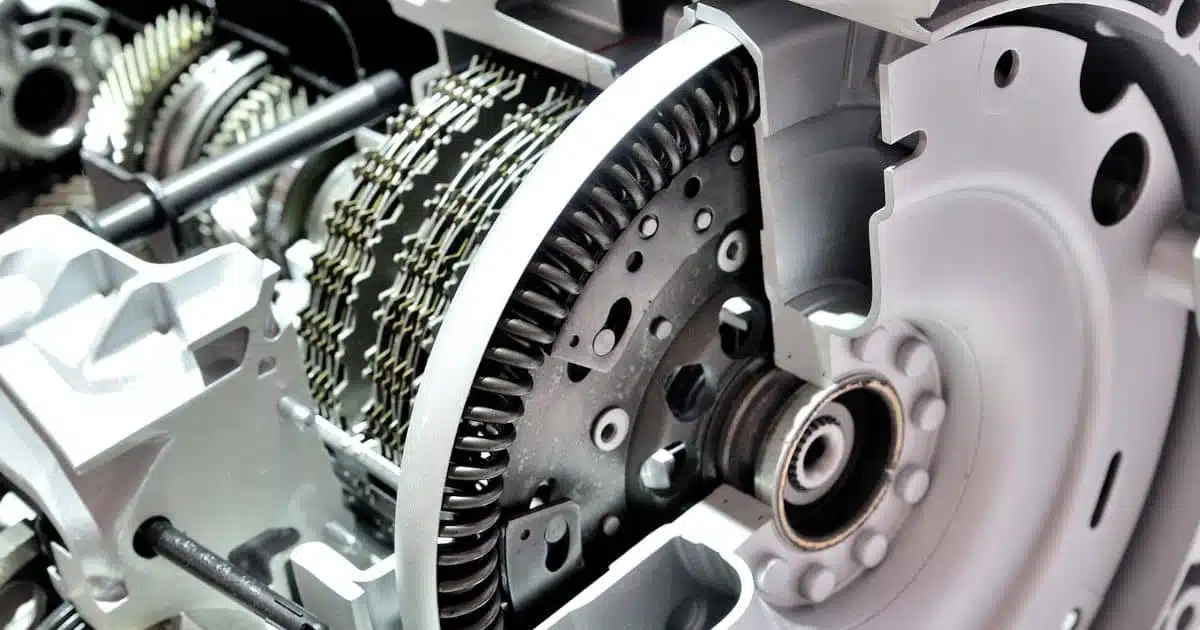
A tired clutch rarely fails like a light switch. Most drivers get warnings first, and the useful clutch disc symptoms show up in the way the car pulls, smells, shifts, and responds under load. If engine speed rises but road speed does not match it, the clutch may be slipping. If the pedal grabs higher than it used to, the friction material may be thinning. If you notice a hot, sharp odor after hill starts or stop-and-go traffic, the clutch may be overheating instead of holding.
That matters for anyone driving a stick-shift car in the USA, whether it is a daily Civic, an older Tacoma, a Mustang GT, a Subaru WRX, or a work truck with a manual gearbox. Parts prices, labor rates, and driving conditions vary from Phoenix heat to New England hills, but the warning pattern stays familiar. A small symptom on Monday can turn into a stranded car by Friday if the disc loses grip, especially when commute hills or summer heat add stress. Good repair judgment starts with noticing patterns, not panic. For wider car care and publishing resources, practical auto repair guides can help readers connect maintenance topics with plain-language advice.
Clutch Disc Symptoms You Feel Before a Breakdown
The first clues are not hidden inside the transmission. They are in your right foot, your left foot, and the gap between engine noise and road speed. That gap is the whole story. A healthy clutch connects the engine to the gearbox with enough bite that power feels direct. When the friction surface wears thin or gets glazed from heat, the engine may sound busy while the car feels lazy. The counterintuitive part is that the car can still shift cleanly for a while. Smooth shifts do not prove the disc is healthy.
Why manual transmission clutch slipping shows up under load
manual transmission clutch slipping often appears first in higher gears, not first gear. That catches drivers off guard. In first gear, the gear ratio gives the car a mechanical advantage, so a weak clutch may still move the car from a stop. In fourth, fifth, or sixth gear, the clutch has to hold harder while the engine pushes against more load. That is why a freeway on-ramp, a hill outside Pittsburgh, or a passing move on a Texas farm road can reveal the problem before city driving does.
The classic sign is simple: the tachometer jumps, but the car does not surge forward with it. You may press the gas at 45 mph in a high gear, hear the engine flare, then feel a delay before the vehicle catches up. Some drivers blame the engine. Others blame bad fuel. The better clue is that the noise and motion do not agree.
Do not use aggressive testing to prove it. A hard throttle pull in the wrong place can overheat the clutch further. Find a safe road, keep traffic away from you, and pay attention to gentle acceleration under load. If the engine revs climb faster than speed during normal driving, the clutch is asking for inspection.
What the pedal and engagement point are telling you
The clutch pedal is a message board, but it does not speak in one language. A high engagement point can mean the disc is near the end of its service life, especially if the car used to grab lower. On many hydraulic clutch systems, the pedal may not give the old cable-style warning, so the engagement point can change less than expected. That is why relying on pedal height alone is risky.
You may also feel a soft bite point, where the car starts moving but the connection feels weak. In a healthy setup, the engagement zone has a clear edge. In a worn setup, it can feel smeared, as if the clutch is sliding into the job instead of taking hold. That “almost normal” feel is what tricks people. Some late-model manuals also hide wear because the hydraulic system keeps taking up slack. You may not get the dramatic pedal change your father noticed in an old pickup. The car can feel polite right until it starts slipping on a grade.
A real-world example: a driver in Denver may notice nothing unusual during flat neighborhood driving, then smell heat and feel weak pull while climbing toward the foothills. The altitude is not the cause. The climb exposes the loss of holding power. That is the difference between a symptom and an excuse. Watch the pattern over a week, not one driveway launch. If the same weak pull returns with the same load, you are no longer dealing with a random bad shift.
Smell, Noise, and Heat: The Signs Drivers Misread
After slipping, smell is the next clue many drivers notice. The trouble is that smells around a car are easy to misread. Hot brakes, oil on an exhaust manifold, a dragging parking brake, a loose belt, and overheated clutch material can all send sharp odors into the cabin. The goal is not to become a shop technician in your driveway. The goal is to match the smell to the moment it appears. Context beats guessing.
How a burning clutch smell differs from brake or oil smells
A burning clutch smell often appears after repeated starts, hill launches, backing a trailer, or slow traffic where the pedal spends too much time halfway down. It may remind you of hot paper, scorched lining, or overheated brakes, but the timing gives it away. If the odor arrives right after slipping the clutch, it points toward heat at the friction surface.
One brief odor after a difficult hill start does not always mean the clutch is finished. That is the non-obvious part. A good clutch can smell if abused for a few seconds. The bigger concern is a repeated odor during normal driving. If you smell it on a calm commute, without steep hills or awkward starts, the friction material may be losing its grip. Open the windows and you may notice it more after pulling away from a light than during steady cruising. That timing matters because the clutch makes its heat while it is partly engaged.
This is where driver habit matters. Resting your foot on the pedal at a red light can add wear. Holding the car on a hill with the clutch instead of the brake can cook the surface. Those habits may feel gentle because the car does not jerk, but they build heat in the one place you need clean grip. A smooth mistake is still a mistake when the pedal is held at the friction point too long.
Why chatter can feel worse than the damage looks
Clutch chatter feels dramatic. The car shudders as you start moving, and the whole cabin may shake for a second. Many drivers assume the transmission is failing. Sometimes the cause is simpler: uneven clutch surface, flywheel hot spots, oil contamination, weak mounts, or a disc that does not grab evenly.
The strange part is that chatter does not always mean the disc is thinner than paper. A lightly worn or glazed surface can behave badly at low speed, then feel normal once fully engaged. That is why a shop may need to inspect more than the friction plate. The flywheel surface and pressure plate matter too.
Think of a rainy morning in Seattle. You back out of a steep driveway, feather the clutch, and the car shakes. Later on the highway, it feels fine. That pattern does not clear the clutch. It tells you the problem may live in the first few feet of engagement, where surface condition matters more than full-power grip. A mechanic may road-test the car from a stop, then inspect mounts and fluid leaks before recommending parts. That order protects your wallet.
Road Tests That Help You Separate Wear From Other Faults
Good diagnosis starts with humility. A manual transmission has several parts that can imitate clutch wear: hydraulic cylinders, release bearings, clutch forks, pilot bearings, engine mounts, transmission mounts, and even bad driving technique. Replacing the clutch without checking these pieces can waste money. Still, you do not need to tear the car apart to gather useful evidence. You need careful, safe observations. The smartest owners walk into the shop with a story that has dates, conditions, and repeat behavior.
Safe ways to check clutch replacement warning signs
The best clutch replacement warning signs repeat under similar conditions. That means you should compare one drive to another. Does the slipping happen on hills? During freeway merging? After the car warms up? Does the smell appear after slow parking maneuvers or during normal cruising? Patterns help a mechanic move faster.
A gentle high-gear load check can be useful. At moderate road speed, choose a higher gear, add throttle smoothly, and watch whether engine rpm and vehicle speed rise together. If rpm flares first, that supports the slipping diagnosis. Keep it brief. Do not punish the car to satisfy your curiosity. One controlled observation is worth more than five hard pulls that add heat and make the smell worse.
Write down what you notice before calling a shop. “Revs jump in fifth at 50 mph on hills” is better than “clutch feels bad.” If the issue creates a safety concern, such as loss of drive in traffic, you can also use the NHTSA safety problem reporting page to report a possible vehicle safety issue. A clear record helps everyone. Shops hear vague complaints all day. A clear note about gear, speed, smell, pedal feel, and temperature gives the technician a trail to follow instead of a mystery to chase.
When hydraulic, engine, or mount problems mimic wear
A hydraulic problem can make a clutch act strange without the disc being worn out. Low fluid, air in the system, a failing master cylinder, or a leaking slave cylinder can change pedal feel and prevent full release. That usually causes hard shifting or gear clash rather than true slipping, but symptoms can overlap when the driver compensates with extra pedal work.
Engine and transmission mounts can also fool you. A torn mount may make the car buck or shake during takeoff, which feels like clutch chatter. The disc might still have life left. A weak engine tune can add another layer. Misfires under load can feel like driveline shudder, especially in older cars with tired ignition parts.
manual transmission clutch slipping has one signature that these lookalikes struggle to copy: rpm rises without matching road speed while the car is fully in gear. Chatter, hard shifts, or a low pedal may point elsewhere. That distinction can save you from paying for the wrong repair first. It can also save an honest shop from guessing. The best repair conversations happen when the driver brings symptoms and the technician brings tests.
Repair Choices, Costs, and Habits That Protect the New Clutch
Once the evidence points to clutch wear, the next decision is timing. Many drivers try to stretch the repair because the car still moves. That can work for a short period if symptoms are mild, but it carries a risk. A slipping clutch can damage the flywheel and pressure plate through heat. Delay can turn a disc job into a larger bill. The cheapest day to act is often the day the symptoms become repeatable. Waiting until the car refuses to move gives you fewer choices, fewer shops with open bays, and a tow bill on top.
When driving farther becomes false savings
A clutch rarely becomes cheaper because you waited. If the disc is slipping enough to smell during normal driving, extra miles may add heat marks to the flywheel. If the surface gets damaged, the shop may need to resurface or replace it. In some cars, skipping flywheel work can lead to chatter after the new clutch is installed.
This is where clutch replacement warning signs should shape your calendar. If you only notice a high bite point but no slipping, you may have time to plan. If the engine flares in high gear, the repair window is smaller. If the car struggles to climb a hill or move from a stop, stop treating it as routine maintenance.
Costs vary across the USA because labor time, drivetrain layout, and parts choice vary. A front-wheel-drive compact can take different labor than a rear-wheel-drive truck. A performance car with a dual-mass flywheel can cost more than an older economy car. The honest estimate comes after inspection, not from a forum comment. Ask what is included in the quote. A low number that skips the release bearing, pilot bearing, or flywheel decision may not be the better deal.
How to make the next clutch live longer
The new clutch will not forgive the habits that killed the old one. Use the brake to hold the car on hills. Keep your foot off the pedal once the shift is done. Shift with purpose, not force. Do not creep through traffic with the pedal half engaged for long stretches. Small habits decide clutch life.
Towing deserves special respect. A manual truck backing a boat up a ramp can overheat the clutch fast, even with a skilled driver. So can repeated launch practice in a performance car. The issue is not pride. It is heat. Every second of slip trades friction material for motion. You can be careful and still overheat it if the load is wrong, the hill is steep, or the maneuver takes too long. Mechanical sympathy means knowing when to stop and reset.
Pair the repair with a few related checks. Ask about the rear main seal, transmission input shaft seal, pilot bearing, release bearing, pressure plate, and flywheel condition while the transmission is out. This is also a good time to read a manual transmission maintenance checklist or compare notes with a car repair cost planning guide. Access is the hidden cost. Once the gearbox is removed, cheap parts can become smart insurance.
Conclusion
A manual car usually tells the truth before it leaves you stranded. The message may come as weak pull, a high bite point, a burning clutch smell, chatter during takeoff, or rpm that climbs faster than road speed. The mistake is treating each clue as separate. They belong together.
The safest reading of clutch disc symptoms is not fear, and it is not denial. It is pattern recognition. One rough hill start may be nothing. Repeated slipping under load is different. A smell after teaching someone to drive stick is one thing. The same smell during a normal commute deserves attention.
Get the car inspected once the signs repeat, before heat turns one repair into two. Ask the shop to check the full clutch system, not only the friction plate. If replacement is needed, repair the related wear items while access is open. Then change the habits that created heat in the first place. A clutch rewards calm feet, clean shifts, and early action.
Frequently Asked Questions
How do I know if my clutch is slipping while driving?
Engine rpm rises faster than vehicle speed, especially in higher gears or on hills. You may hear the engine flare, but the car does not pull harder. That mismatch is the strongest sign, especially when it repeats during normal acceleration.
Can a bad clutch still shift smoothly?
Yes, it can. A worn friction surface may still allow smooth gear changes while failing to hold power under load. Smooth shifting only tells you the release action may still work. It does not prove the clutch has enough grip left.
Is a burning smell always a sign of clutch failure?
No. One smell after a rough hill start or a new driver’s mistake can happen. Repeated odor during normal driving is different. If it appears without unusual stress, the clutch may be slipping or overheating and should be checked.
What does clutch chatter feel like?
It feels like shaking, bucking, or pulsing as the car starts moving from a stop. The cause may be uneven friction, flywheel hot spots, oil contamination, or worn mounts. Chatter needs inspection because several parts can create the same feeling.
Can I keep driving with a slipping clutch?
You may be able to drive short distances, but it is risky once slipping repeats. Heat can damage the flywheel and pressure plate, and the car may lose drive in traffic. Plan repair before the vehicle becomes unsafe or stranded.
How much does clutch replacement cost in the USA?
Cost depends on the vehicle, labor rate, drivetrain layout, and flywheel type. A simple older car may cost far less than a performance model or truck. The best estimate comes from a shop after checking related parts.
Does riding the clutch wear it out faster?
Yes. Resting your foot on the pedal or holding the car on a hill with the clutch creates heat and slip. The damage may feel invisible at first, but repeated heat shortens friction material life and can glaze the surface.
Should the flywheel be replaced with the clutch?
Sometimes. A clean, serviceable flywheel may be resurfaced, while a cracked, heat-damaged, or dual-mass flywheel may need replacement. Skipping needed flywheel work can cause chatter, poor engagement, or early wear after the new clutch is installed.
