A small wet mark near the inside of a wheel can look harmless until the smell hits you after a drive. The early warning signs of leaking axle seal symptoms often appear before braking feels strange, which is why a quick look behind the wheel matters. Gear oil is thick, strong-smelling, and slow to travel when cold, but once the axle warms up, it can creep toward parts you do not want soaked. That includes rotors, drums, shoes, and pads.
For many U.S. drivers, this shows up on older trucks, rear-wheel-drive SUVs, work vans, and high-mileage commuters that still pass inspection but have tired seals. A shop may call it a “weep,” a “seep,” or a failed rear axle seal. The wording matters less than the path the oil is taking. Once brake pad contamination begins, the repair bill grows and the safety margin shrinks.
If you are already researching practical car repair guidance, treat this as a timing problem. Catch it while the oil is still near the backing plate, axle tube, or hub area, and you may avoid ruined friction material, bearing damage, and a scary first stop on a wet road.
Leaking Axle Seal Symptoms You Should Catch Early
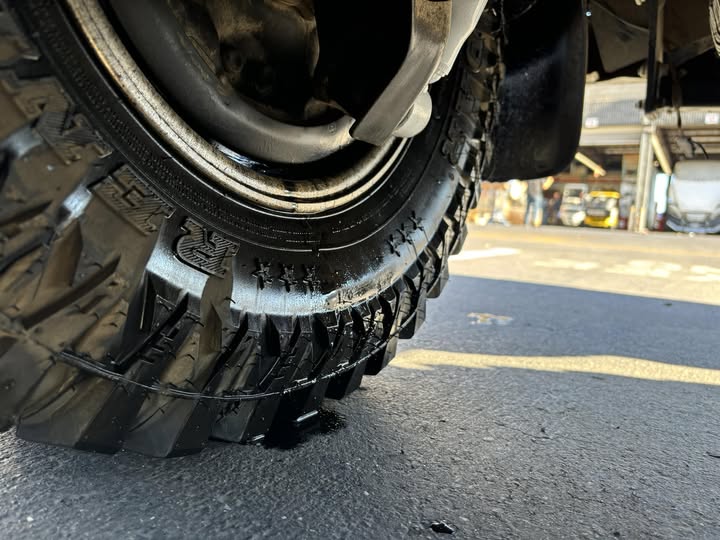
The first clue is rarely a dramatic puddle. More often, it is a damp crescent on the inner wheel, a dark stripe on the tire sidewall, or a sour gear-oil smell after highway driving. That is the part many drivers miss. They expect a bad leak to announce itself under the center of the vehicle, not at the edge of one rear wheel.
A seal can leak slowly for weeks and still leave the brake pedal feeling normal. That does not mean the problem is safe. It means the oil has not reached the friction surface yet, or it has reached it lightly enough that you have not felt the change. The smartest move is to inspect the area before the brake system becomes part of the repair.
Dark oil on the inside of one wheel
Look behind the wheel after the vehicle has been parked for a while. A gear oil leak often leaves a darker, thicker film than water, road splash, or light grease. It may collect near the lower edge of the backing plate, drip from the axle flange, or sling outward in a curved pattern after the wheel spins.
The smell helps. Gear oil has a heavy sulfur odor that is hard to confuse with engine oil once you know it. Brake fluid feels slick too, but it is usually thinner and tied to hydraulic parts such as a wheel cylinder or caliper. If the fluid is dark, sticky, and coming from the axle end, the seal deserves suspicion.
Here is the non-obvious part: the clean side can fool you. Some axle leaks only show after a long drive because warm oil flows better. A truck parked overnight in a cold Michigan driveway may look dry at breakfast, then leave a mark after a 30-minute commute. Inspect after driving, not only before.
Gear oil smell after a drive
A faint burnt-oil smell near one rear wheel is not normal. It can happen when gear oil lands on warm metal, dust, or brake hardware. The scent may be strongest after towing, climbing hills, or sitting in stop-and-go traffic because heat thins the oil and encourages movement past the weak seal.
Do not judge by smell alone. A stuck parking brake, dragging caliper, or hot bearing can also create odor near a wheel. The difference is the wet trace. If you smell oil and see a damp ring behind the wheel, you have a stronger case for an axle-end leak.
This is where a simple white paper test helps. After a drive, park on level ground and slide clean cardboard or paper under the axle end, not only under the differential. A few dark spots near one wheel can tell you more than a clean garage floor under the center pumpkin.
Why Gear Oil Moves Toward the Brakes
Axle seals sit in an unfair spot. They have to hold oil inside while the axle shaft turns, heat rises, road grit collects, and the bearing area carries vehicle load. On a solid rear axle, oil can pass the seal and move outward toward the brake area. On some designs, it travels through or around the bearing path before it shows itself.
That path explains why a small gear oil leak can become a brake repair. The oil does not need to flood the wheel to cause trouble. A few warm cycles can spread it farther than you expect. It can wet the lower shoe on drum brakes or mist the backside of a rotor area on disc brakes.
Heat makes a small seep look worse
Cold gear oil is thick. Warm gear oil moves. That one fact explains many “it was dry yesterday” stories. A pickup may sit all week with no visible drip, then leak after hauling mulch from a home center on Saturday. The axle warms up, the oil thins, and the weak seal loses the fight.
Pressure can add to the problem. A clogged axle breather can trap pressure inside the housing as temperatures rise. That pressure looks for the easiest exit, and a worn seal lip is often easier than a tight gasket. Overfilling the differential can create similar trouble because extra oil gets pushed where it does not belong.
The fix is not always to replace the seal alone. A careful mechanic checks the breather, axle shaft surface, bearing condition, and fluid level. Skip those checks and a new seal may fail early, which feels like bad luck but is often an incomplete diagnosis.
Brake pad contamination changes the whole repair
Once oil reaches the friction material, the job changes. Cleaning spray may make the surface look better for a few minutes, but soaked material can release oil again when heated. That is why many shops replace contaminated pads or shoes rather than trying to save them.
Disc brakes and drum brakes behave differently here. Drum shoes can absorb oil deeply, especially along the lower edge where fluid collects. Disc pads may show streaking, smoke, odor, or uneven bite. Either way, brake pad contamination is not a cosmetic issue. Friction material is meant to grab, not glide.
FMCSA maintenance guidance lists oil and grease leaks, plus hub and wheel-seal leakage, among common repair and maintenance violations for commercial vehicles, which shows how seriously wet wheel-end leaks are treated in safety inspections. FMCSA maintenance guidance
How to Tell an Axle Seal Leak From Other Wheel-End Problems
A wet wheel area does not always mean the same repair. Brake fluid, bearing grease, differential oil, tire shine, road tar, and shock fluid can all create confusing stains. The goal is not to guess from one photo. The goal is to read the pattern, smell, location, and driving symptoms together.
This matters because the wrong repair wastes money. Replacing pads when the axle seal is still wet only ruins the new pads. Replacing the seal when the wheel cylinder is leaking leaves you with a brake hydraulic fault. Good diagnosis starts with where the fluid begins.
Brake fluid, bearing grease, or axle oil?
Brake fluid leaks usually start at a caliper, hose, line, or wheel cylinder. The brake pedal may feel lower, and the brake fluid reservoir may drop. The fluid is often clearer or amber unless old. It does not have the same heavy sulfur smell as gear oil.
Bearing grease tends to be thicker and may appear as clumps or dark paste near the hub. It may come with growling, looseness, or heat. Gear oil from a rear axle seal has a wetter look and often tracks downward from the axle end. On solid rear axle vehicles, it may show near the backing plate or inside the brake drum.
A real-world example: a 2008 half-ton truck comes in with a wet left rear backing plate. The owner thinks the wheel cylinder failed. The brake reservoir is still full, the fluid smells sharp and sulfur-like, and the differential level is low. That points away from hydraulics and toward the axle end.
Noises that point past the seal
A seal can fail because it got old. It can also fail because something near it is moving in a way it should not. A worn axle bearing can let the shaft wobble enough to damage the seal lip. That means the leak is a symptom, not the whole story.
Listen for a growl that changes with road speed, not engine speed. Feel for vibration through the seat or floor. Watch for one wheel running hotter than the other after the same drive. These signs do not prove bearing failure, but they raise the stakes.
The counterintuitive move is to avoid celebrating a cheap seal quote too soon. If the axle shaft has a worn groove where the seal rides, the fresh seal may leak again. Some repairs need a repair sleeve, axle shaft attention, or bearing replacement. The lowest first estimate can become the highest total bill.
For related repair planning, keep notes for rear differential fluid service and brake inspection after fluid leaks. Those two jobs often overlap when the leak has been ignored.
What to Do Before Oil Ruins the Pads
Once you spot a wet axle end, the best response is boring: stop making it worse. Avoid towing, long highway trips, steep descents, and hard braking until the source is confirmed. A small leak can become a messy one after heat and speed. The delay rarely helps.
That does not mean every damp seal needs a tow truck. It means you should separate a light seep from an active leak. A faint stain with no fresh wetness may give you time to schedule service. Fresh oil reaching the brake hardware needs faster action.
Safe inspection steps at home
Start with the vehicle parked on level ground. Do not crawl under a vehicle held only by a jack. Use proper stands if a wheel must come off, and keep your hands away from hot brake parts after a drive. If you are not set up for safe lifting, inspect with a flashlight from the ground and let a shop handle the rest.
Check these areas in order:
- The inside of the tire and wheel barrel
- The lower edge of the backing plate
- The axle tube near the wheel end
- The differential fluid level, if you know the correct procedure
- The brake fluid reservoir, to rule out a hydraulic leak
A clean-and-recheck method works well. Wipe the wet area, drive a short local loop, then inspect again. Fresh oil returning from the axle end tells a better story than old grime. Take photos before and after cleaning so the shop can see the pattern.
When to replace brakes with the seal
If oil touched the brake pads or shoes, plan on replacing the affected friction material. In many cases, the matching side on the same axle should be serviced too, so braking remains even. Rotors or drums may need cleaning, resurfacing, or replacement depending on condition.
The seal itself is only part of the job. A proper repair may include differential fluid, a new axle seal, bearing inspection, brake cleaning, pads or shoes, and parking brake hardware if it was soaked. On older vehicles, rusted retainers or worn axle surfaces can add time.
Here is the quiet truth: waiting until the brakes feel bad is the expensive test. By then, the oil has already done its work. A driver in Texas towing a small trailer may not notice much in city traffic, then feel one rear brake fade on a long downhill. That is the wrong place to learn the seal had crossed the line.
Conclusion
A wet mark behind one wheel is easy to dismiss because the vehicle may still drive, stop, and sound normal. That calm period is the warning window. Gear oil moves slowly at first, then faster with heat, pressure, and miles. Once it reaches the brake area, the repair shifts from a seal job to a wheel-end and brake job.
The best response to leaking axle seal symptoms is early inspection, not panic. Look for the smell, the pattern, and the location. Compare both sides. Check whether the stain returns after a short drive. If the leak is fresh or moving toward the brakes, schedule service before a cheap part creates a larger safety problem.
Cars rarely reward wishful thinking, and axle seals are no exception. Fix the source, protect the brakes, and ask the shop to check the bearing and breather while the area is apart. That is how you keep one small leak from turning into a bad stop.
Frequently Asked Questions
How do I know if gear oil has reached my brake pads?
You may notice a strong sulfur smell, wet streaks near the caliper or drum, smoke after braking, or one wheel that grabs less than the other. A visual inspection is still needed because early brake pad contamination may not change pedal feel right away.
Is it safe to drive with a rear axle seal leak?
A light seep may allow a short local drive to a repair shop, but active wet leakage near brake parts is different. Avoid highway trips, towing, and steep hills. If braking feels uneven or the wheel is smoking, do not keep driving.
What does gear oil smell like near a wheel?
It often smells sharp, heavy, and sulfur-like. Many drivers describe it as rotten or burnt after the axle warms up. That smell near one wheel, paired with dark wet residue, is a strong clue that axle oil may be escaping.
Can I clean oil off brake pads and keep using them?
It is a bad gamble. Friction material can absorb oil and release it again under heat. Even if the surface looks clean, braking can remain uneven. Most shops replace oil-contaminated pads or shoes to restore predictable stopping.
Why does the leak show after driving but not overnight?
Gear oil thickens when cold and flows better when warm. After a drive, heat and axle pressure can push oil past a weak seal. Once the vehicle cools, the dripping may slow or stop, making the leak harder to catch later.
Does a bad axle bearing cause seal failure?
It can. A worn bearing may let the axle shaft move slightly, which damages the seal lip or sealing surface. If the bearing is noisy, loose, or hot, replacing only the seal may not solve the leak for long.
How much does axle seal repair usually cost in the USA?
Costs vary by vehicle design, labor rates, and brake damage. A basic seal job may be moderate, while a leak that ruins brakes, bearings, or axle surfaces costs more. Trucks and older rear-wheel-drive vehicles often need more labor than simple front-drive axle seals.
Should both axle seals be replaced at the same time?
Sometimes it makes sense, especially on older vehicles where both seals have the same age and mileage. If one side failed due to age, the other may be close. Still, the decision should depend on access, fluid condition, bearing health, and budget.
