
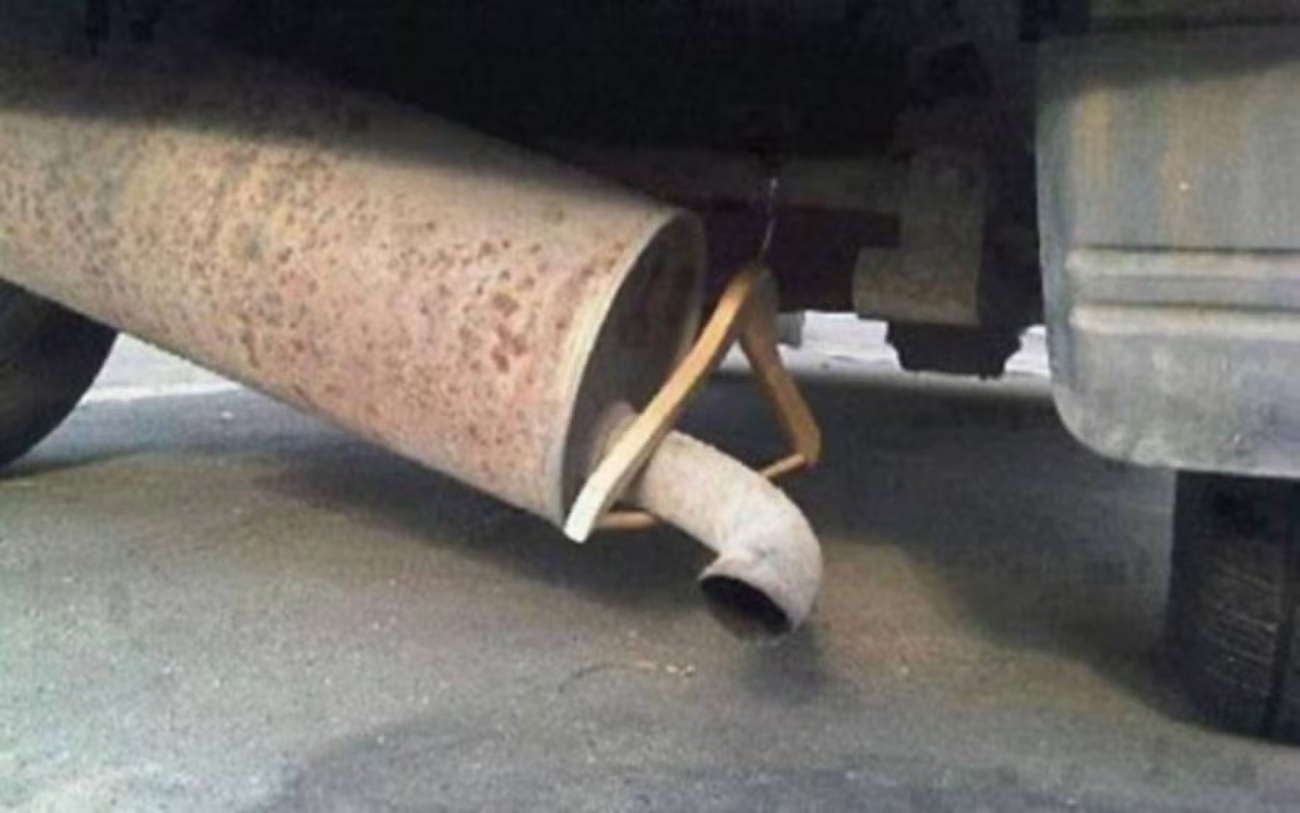
A hanging tailpipe never starts as a dramatic failure. At first, it is a dull knock over railroad tracks, a low scrape when you back out of a sloped driveway, or a crooked muffler that looks wrong from ten feet away. Rusted exhaust hanger replacement matters because that small support part carries more risk than its size suggests. Once the hanger lets go, the pipe can swing, stress a joint, crack a weld, or drag on the road before you make it home. A broken exhaust hanger also changes how the system moves when the engine shifts under load. That movement can turn a cheap fix into a muffler hanger repair, a pipe repair, or a tow. For drivers who like practical car care, resources such as hands-on auto maintenance guidance can help you treat small underbody problems before they become roadside trouble. The smart move is simple: inspect the support, confirm what failed, replace the weak part, and make sure the exhaust sits relaxed again.
Why Exhaust Hanger Replacement Should Happen Before the Pipe Drops
Most exhaust support failures feel harmless at first because the car still runs. That is the trap. The engine sounds normal, the check engine light may stay off, and the vehicle may drive straight. Underneath, though, a sagging exhaust pipe is asking other parts to do work they were not built to do.
The First Clues Usually Sound Small
The first warning is often a noise that changes with road movement, not engine speed. A clunk over bumps can mean the pipe is tapping the rear suspension, spare tire well, trailer hitch, or heat shield. A tinny rattle at idle can point to a loose shield, but a broken exhaust hanger can make the same kind of sound when the pipe rocks in its mounts.
Look at the tailpipe from behind the vehicle after it has cooled. If one side hangs lower than it used to, do not shrug it off. On many sedans and crossovers in the USA, the rear muffler has only a few support points. Lose one rubber isolator or rust one metal hook off the body, and the muffler starts pulling at the next joint in line.
There is a plain test that helps. With the exhaust cold, grab the tailpipe and move it gently side to side. It should move a little because rubber mounts allow flex. It should not swing like a loose gate. If it bangs metal or feels heavy on one side, you have found a support problem, not a mystery noise.
Why a Low Pipe Can Damage More Than the Hanger
The non-obvious part is that the hanger is not there only to hold weight. It also controls motion. Exhaust pipes grow longer as they heat up, the engine twists slightly under throttle, and the body flexes over rough pavement. The rubber piece lets that movement happen without turning every bump into a metal fight.
When the support fails, the pipe may hang from a flex joint, flange, clamp, oxygen sensor wiring, or a thin muffler seam. None of those parts signed up for that job. A driver in Ohio might hear one new knock after a salty winter, put off the repair for two weeks, then find the rear flange cracked because the muffler swung every time the car hit a pothole.
That is why a sagging exhaust pipe can cost more than the hanger itself. The visible failure is only the last link in the chain. Fixing it early protects clamps, gaskets, welds, heat shields, and nearby wiring. The cheap part is not the point. The load path is.
Finding the Weak Support Before Rust Makes the Choice for You
Once you know the exhaust is moving wrong, slow down and inspect the full support path. Many drivers replace the obvious rubber piece and miss the rusted metal hook beside it. Then the new rubber fails fast because the system still hangs crooked.
Check Rubber, Rods, Clamps, and Mounting Points
Start at the tailpipe and work forward. Look for cracked rubber, missing rubber donuts, stretched hanger holes, broken metal rods, torn brackets, rusty clamps, and shiny rub marks where the pipe has touched the body. Bright scrape marks matter. They show where the system moves while you drive.
Rubber isolators fail from age, heat, oil exposure, and road grime. Metal brackets fail from rust, bad welds, and vibration. In snow-belt states like Michigan, Pennsylvania, New York, and Wisconsin, road salt can eat the mount before the rubber looks terrible. That surprises people. The rubber may look tired, but the body-side tab may be the part near failure.
A basic inspection should also include the front and center supports. Exhaust systems work as a set. If the rear muffler hanger failed, the center pipe may have been carrying extra load for months. A quick look there can save you from doing the same job twice.
When Rust Means Stop and Get a Shop Involved
There is a line between a driveway repair and a job that needs welding or a lift. If the rubber isolator is cracked but the metal rods are solid, you may have a simple swap. If the rod has rusted off the muffler or the bracket has pulled away from the vehicle body, the repair changes.
Do not trust wire, coat hangers, zip ties, or old straps as more than a crawl-home fix. They can melt, loosen, or cut into nearby parts. A temporary support may keep the pipe off the pavement for a short trip, but it is not a repair. It also hides the real movement that caused the failure.
Exhaust leaks raise the stakes. If the pipe has separated near the cabin area, treat it as a safety issue, not only a noise issue. The NHTSA winter driving safety guidance warns drivers to be mindful of carbon monoxide and to keep exhaust flow clear. That warning is aimed at winter situations, but the lesson carries over: exhaust gases belong outside and behind the vehicle, not under the floor or near openings.
Choosing Parts and Tools That Won’t Create a Second Repair
A hanger looks simple until you hold the wrong one in your hand. The shape, hole size, rubber stiffness, rod angle, and bracket location all affect how the exhaust rests. This is where careful parts matching beats guesswork.
Match the Shape Before You Match the Price
The best hanger is usually the one that matches the original design. Many vehicles use molded rubber isolators with offset holes. Others use round donut hangers, strap-style supports, or metal brackets with rubber inserts. A universal part can work in some cases, but only when it holds the pipe at the same height and angle as the factory layout.
Bring the old piece to the parts counter when you can. If you order online, compare photos from several angles. Hole spacing matters. So does rubber thickness. A part that is too stiff can send vibration into the cabin. A part that is too soft can let the muffler swing and knock again.
This is where a muffler hanger repair often goes wrong. The driver buys the cheapest rubber loop, stretches it into place, and feels good for a day. Then the tailpipe sits half an inch too low and taps the bumper trim. The repair did not fail because the part was cheap. It failed because the geometry was off.
Tools That Make the Job Safer and Cleaner
You do not need a race shop to change many rubber supports. You do need the car held safely. A floor jack alone is not enough. Use jack stands on solid ground, let the exhaust cool, wear eye protection, and keep your face away from falling rust.
Penetrating oil helps with rusted fasteners. Silicone spray or soapy water helps rubber slide off hanger rods. Hanger removal pliers make the job easier, but channel-lock pliers and patience can work on many vehicles. A small pry bar can help, but use it with care. You are guiding rubber off a rod, not trying to bend the exhaust into submission.
Keep a few extras nearby: a wire brush, gloves, a flashlight, a socket set, and replacement clamps if the old ones look thin. For more related repair planning, see exhaust leak repair checklist and DIY muffler noise diagnosis. A good driveway job is not fancy. It is calm, safe, and boring in the best way.
Replacing the Hanger Without Bending the Rest of the System
The repair itself is often short. The setup and final alignment matter more. A rushed hanger swap can leave the pipe preloaded, which means the new rubber is already under strain before the engine starts.
Support the Pipe Before Removing Anything
Place a jack stand, block of wood, or exhaust stand under the pipe or muffler before you remove the damaged support. Do not lift hard. Hold the part near its natural height. If the old rubber is still attached on one side, spray the rod and work the rubber back and forth until it slides free.
If bolts hold a bracket, clean the threads first. Rusty bolts break when you rush them. Work them slowly. Tighten a touch, loosen a touch, and add more penetrating oil if needed. Heat can help in professional hands, but open flame near undercoating, fuel lines, or plastic trim is not a casual driveway trick.
Once the old part is off, compare it to the new one again. That last check catches mistakes. The new piece should not force the pipe upward into the body or pull it down toward the road. It should let the exhaust hang with a small amount of free movement.
Set the Exhaust in a Relaxed Position
Slide the new rubber or bracket into place, then step back and look at the full system. The tailpipe should sit centered in the bumper opening. The muffler should not press against the spare tire well, hitch, heat shield, or suspension. Start the car only after your tools are clear and the vehicle is secure.
Listen at idle first. Then blip the throttle lightly and watch how the pipe moves. A little motion is normal. A hard knock means something still sits wrong. After a short drive, check again once the system cools. Rubber may settle after heat cycling, and a clamp that seemed tight may show a new witness mark nearby.
Here is the counterintuitive part: the goal is not to make the exhaust rigid. A rigid exhaust cracks. The goal is controlled movement. The hanger should hold the pipe up while allowing heat growth and engine motion. That balance is why the tiny rubber piece matters.
Conclusion
A loose exhaust support is easy to ignore because it rarely strands you the first day it complains. That does not make it harmless. The knock, scrape, or crooked tailpipe is an early warning that the system has lost its balance. Rusted exhaust hanger replacement works best when you treat it as support correction, not only part swapping. Check the rubber, the metal rods, the brackets, and the pipe alignment before you call the job done. If rust has eaten the mount or the pipe has started leaking near the cabin, get proper help instead of trusting a roadside patch. A small repair done early can protect the muffler, clamps, gaskets, sensors, and the people inside the car. Next time you hear that low clunk over a driveway dip, look underneath before the pipe makes the decision for you.
Frequently Asked Questions
How do I know if my exhaust hanger is broken?
A low tailpipe, clunking over bumps, metal tapping at idle, or a muffler that swings by hand can all point to support failure. Let the exhaust cool, then inspect the rubber mounts, metal rods, and brackets with a flashlight.
Is it safe to drive with a broken exhaust hanger?
Short local driving may be possible if the pipe is not dragging or leaking, but it is a gamble. The exhaust can swing, crack a joint, damage wiring, or drop lower while driving. Avoid highway trips until the support is fixed.
How much does muffler hanger repair usually cost?
A simple rubber isolator may cost little as a part, while shop labor varies by vehicle and rust level. If welding, bracket repair, or pipe work is needed, the price rises. Rust is often what turns a small job into a bigger bill.
Can I use wire to hold up a sagging exhaust pipe?
Wire should only be treated as a short emergency support to reach a safe place. It can loosen, cut into parts, or fail from heat and vibration. A proper rubber mount or bracket is the repair that protects the exhaust.
What causes exhaust hangers to rust out?
Road salt, trapped moisture, heat cycles, age, and thin factory brackets all play a role. Vehicles driven in northern states often see faster underbody corrosion. Short trips can make it worse because moisture stays on parts longer.
Should I replace all exhaust hangers at once?
It makes sense when several mounts show cracking, stretching, or rust. If one hanger failed from age, the others may not be far behind. Still, inspect first. Some supports last longer because they sit away from heat and road spray.
Why does my exhaust still rattle after replacing the hanger?
The pipe may be sitting under tension, touching a heat shield, or hanging from another weak support. A wrong-size rubber mount can also change the pipe angle. Recheck the full system after it cools and look for fresh contact marks.
When should a shop handle the repair instead of me?
Choose a shop when the metal rod has rusted off, the body bracket has separated, bolts look ready to snap, or you smell exhaust near the cabin. Welding, seized fasteners, and leak repairs need proper tools and safer access.
