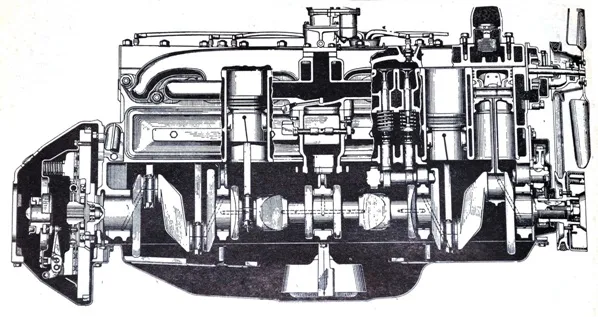
Old Packards do not fail in a loud, theatrical way at first. They whisper. A Packard Eight Engine may start, idle, and move the car around the block while the bearings, cooling passages, valve seats, and oiling system are already asking for careful work. That is why a rebuild should begin with testing, notes, and restraint, not a wrench race. For USA owners handling classic car restoration in home garages, club shops, or local machine shops, the smart path is simple: identify the exact motor, document what you have, measure before ordering, and rebuild for smooth touring rather than bragging rights. Useful restoration stories and automotive culture resources can keep the passion alive, but the engine only trusts evidence. A Packard straight eight rewards patience. Rush it, and you may build a fresh-looking motor with old problems sealed inside. Slow work feels dull until it saves the block, the budget, and the season you hoped to spend driving.
Packard Eight Engine Rebuild Planning Before the First Bolt Turns
A good rebuild starts before the hood comes off. Your first job is not to make the engine clean. It is to learn why it needs work, what has been changed over the years, and how far from factory condition it has drifted. Many Packards in the USA have lived several lives: parade car, estate car, stalled project, museum runner, and weekend cruiser. Each life leaves clues. A California car may have a dry interior and a scaled block. A Midwest sedan may show clean coolant but carry decades of short-trip sludge. The motor does not care what the seller said. It cares what the gauge, plug color, oil pan, and water jacket say.
What the Packard straight eight tells you before teardown
Start with a cold compression test, a leak-down test if the engine can turn, and a careful listen at idle. A low cylinder beside a strong one may point to valves. Low readings across the row may mean rings, wear, or a tired valve job. Milky oil, rusty coolant, or heavy sludge around the lifter area tells a different story. Pull the spark plugs in order and keep them lined up. One oily plug, one steam-cleaned plug, or one dead-looking plug can save hours of guessing.
Do not skip the boring notes. Record engine number, casting marks, carburetor tag, distributor number, oil pressure when cold, oil pressure when hot, and coolant behavior after a long idle. Photos matter too. Take them before each wire, bracket, and linkage comes off. You may think you will remember the throttle return spring angle. Three months later, you will not. Label the odd washers and spacers as if a stranger will finish the job, because tired future-you is that stranger.
The counterintuitive move is to run the engine longer before teardown if it can do so safely. Warm oil pressure, smoke after decel, cooling behavior, and valve noise often show up only after heat soak. A motor on a stand can no longer answer those questions. This does not mean abusing a sick engine. It means controlled testing with a watch, a fire extinguisher, and your eyes on the gauges. A ten-minute test can reveal a repair path better than a weekend of assumptions.
Budgeting a vintage engine overhaul without buying twice
Set your budget after inspection, not before. A flathead eight that “needs rings” may also need valve guides, water distribution work, crank grinding, rod work, cam attention, and a full gasket set. The cheap rebuild is often the one that waits until measurements are known. Guessing early feels like progress, but it can lock you into the wrong oversize, the wrong bearing plan, or parts you cannot return.
For a 1937 One-Twenty with a 282, the parts path may look different from a postwar 327 in a touring sedan. Pistons, rings, valves, timing parts, and gaskets exist through specialty suppliers, but not every oversize is waiting on a shelf. Before the block goes to the machine shop, confirm what can be bought. A vintage engine overhaul turns sour when the cylinders are bored to a size that no piston set can support. Call suppliers before cutting metal. Then call again when the machinist gives final numbers.
Build a written parts plan with three columns: reuse, inspect, replace. Include small items such as core plugs, manifold hardware, water pump parts, thermostat housing bolts, and fuel pump heat shields. Those parts can stall a project longer than the crankshaft work. Small missing pieces make big delays. Add shipping time, machine shop queue time, and club-sourced parts time to the plan. An honest calendar protects morale, and morale matters when the car sits half apart.
Tear Down the Flathead Eight Without Losing Its Story
Once planning is done, teardown becomes a form of evidence gathering. A Packard motor is simple in layout, but it is not crude. Long blocks, long crankshafts, and side-valve breathing demand respect. The goal is to remove parts in a way that explains the failure, protects rare pieces, and gives the machine shop a clean story. This is where classic car restoration can turn from romance into sorting trays, paint marker, and cardboard tags. Good. That humble work is what keeps a rare engine from becoming a pile of mystery metal.
Labeling, bagging, and measuring the slow way
Remove the front sheet metal only if access demands it. On some cars, the extra room saves hours and prevents damage to the radiator shell, fan, and grille trim. Drain the coolant through the block as well as the radiator. Old sediment hides low, and it can tell you how neglected the cooling system has been. If brown chunks come out after the drain slows, assume there is more inside.
Bag fasteners by assembly. Mark pushrods, tappets, valve parts, main caps, rod caps, and timing pieces so they can be traced. Do not toss everything into coffee cans. That habit belongs to engines with endless replacement parts, not a Packard straight eight. Use a tray for each area: front dress, manifolds, valve chamber, oil pan, timing cover, and head hardware. Write plain labels, not clever shorthand you will forget.
Measure during teardown. Check crankshaft end play before the crank comes out. Look for ridge at the top of each cylinder. Study bearing shells for copper, scoring, and uneven loading. A worn rear main can point to oil control problems. A scuffed piston skirt may say more about cooling and clearance than about mileage. When a part looks ugly, photograph it before cleaning. Dirt, wear pattern, and stain marks are evidence.
The hidden damage in cooling passages and valve areas
Flathead engines often suffer in places owners cannot see. Rust scale collects around cylinder walls. The water distribution tube, where fitted, can rot or clog. Valve seats can sink after earlier grinding. Guides wear enough to create smoke, yet not enough to feel loose by hand unless you know what to check. A head gasket mark between two cylinders may show a sealing issue that never showed as a dramatic failure on the road.
A common USA garage scene is the “ran when parked” Packard that sat with plain water in the block. The engine turns, so the buyer feels lucky. Then the head comes off and the coolant holes look like they were packed with red clay. That engine does not need faith. It needs cleaning, probing, and a cooling plan. On a long-block flathead, heat problems can start far from the temperature sender, so one normal gauge reading does not clear every passage.
Here is the non-obvious insight: cooling repair can matter more than extra compression. A smooth touring Packard that holds temperature on a July climb in Pennsylvania or Missouri is more pleasant than one with a shaved head and a nervous gauge. Old luxury was quiet confidence, not strain. Clean water jackets, a sound radiator, correct timing, and even coolant flow will do more for joy than a number on a spec sheet.
Machine Work, Parts Choices, and the Quiet Risks People Miss
Machine work decides whether the rebuild feels like a Packard or like a noisy old tractor. The block, crank, rods, pistons, valves, and cam must agree with one another. This is where many projects lose their way because the owner asks for modern habits on an engine designed around older materials, lower speeds, and long-stroke manners. Packard’s straight-eight story began in the 1920s and ran through 1954, so the engines under this broad label do not all want the same parts or procedures. Treat the actual motor in front of you, not a forum memory.
Choosing a shop for classic car restoration engines
Pick a machine shop that respects measurement more than speed. Ask whether they have worked on long inline engines, flathead valve seats, poured or insert bearing questions, and older crankshafts. A shop that builds small-block Chevys all week may be skilled, yet still be a poor match if it treats your Packard like a common V8. Watch how the shop talks about your parts. Curiosity is a good sign. Dismissive confidence is not.
Bring the factory manual or a licensed reprint with the engine section. Rebuilders should not guess clearances from memory. Factory-style manuals for these cars include service procedures, diagrams, and specifications for engine and related systems, and that material belongs on the bench beside the micrometers. Also check classic engine troubleshooting checklist before you approve machine work, because symptoms often point to more than one worn part. A manual does not replace judgment, but it keeps judgment tied to the car.
The friction here is pride. Owners want the local hero shop to say yes. Good shops say “let me measure it first.” Better shops say “let me see parts availability before we cut.” That answer may feel slow, but it protects the block. If the shop will not discuss piston fit, valve seat width, crank finish, and cleaning methods in plain language, keep looking. The wrong shop can make rare parts worse with expensive tools.
Bearings, valves, pistons, and oil pressure choices
Crankshaft work should follow wear, taper, scoring, and bearing supply. Do not grind the crank because it looks old. Grind it because measurements demand it and because the right bearings can be sourced. Rod alignment and wrist pin fit deserve the same care. Long engines punish shortcuts across all eight cylinders. A small error repeated eight times becomes a personality problem you hear at idle.
Valves need more than a shiny face. Check guides, stems, spring pressure, seat width, tappet faces, and adjuster condition. On many side-valve engines, a careful valve job changes the whole character of the car. Easier starting, cleaner idle, and better pull at low speed often come from sealing, not from wild changes. That is why an old luxury engine can feel new without being modified.
Piston decisions should be boring in the best way. Match bore work to available pistons and rings. Confirm skirt clearance with the piston maker’s guidance and the shop’s measurements. If the car will tour in Arizona heat or climb Colorado grades, tell the machinist. A trailer queen and a mountain driver should not always receive the same choices. The honest build is tailored to use, not ego.
Reassembly, Break-In, and Road Testing for a Trustworthy Tour Car
Reassembly is not the victory lap. It is the second inspection. Every clean part can still be wrong. Every gasket can still shift. Every fastener can still be placed in the wrong hole. The best rebuilders slow down here because they know a quiet first start begins with habits nobody sees. Put the phone away, clear the bench, and work in sessions short enough to stay sharp. Many rebuild mistakes happen when the owner is tired and trying to finish “one more thing.”
Dry fitting the long block before final assembly
Trial-fit the crank, rods, pistons, cam, timing parts, and valve train before final sealing. Check rotation often. A long inline crank should not tighten as caps are torqued. If it does, stop. Do not hope it will “wear in.” That phrase has damaged many good engines. The motor should turn with a steady feel as each part joins the assembly.
Check ring gaps in the actual cylinders. Confirm piston direction, rod orientation, valve clearance range, and timing marks. Use assembly lube where it belongs, but do not drown the motor in mystery goo. Prime the oil system if the design and access allow it. At minimum, plan the first start so oil pressure is watched from the first seconds. Lay out the first-start tools before fuel enters the carburetor.
This is a smart place to use a second set of eyes. Another Packard owner, club member, or older machinist may spot a backwards spacer or missing baffle before it becomes a failure. The prewar car maintenance planning process should include peer review, not only parts receipts. Pride gets quieter when the engine fires cleanly.
First start, break-in, and the first 500 miles
Before first start, set ignition timing close, fill the cooling system, verify fuel delivery, and keep a fire extinguisher nearby. Do not let the engine idle forever while you admire it. Bring it to a steady fast idle when appropriate, watch oil pressure, watch temperature, and look for fuel, coolant, and oil leaks. One person should sit at the key. Another should watch the engine bay.
After heat cycles, retorque the head if the gasket type and service guidance call for it. Recheck valve adjustment, ignition timing, manifold nuts, and carburetor settings. A fresh flathead may sound tight at first, then relax after a few drives. That is normal. Knocks, sudden heat spikes, or falling hot oil pressure are not. Write down readings after each run so memory does not soften a warning sign.
The first 500 miles should be varied, gentle, and honest. Avoid long idling, hard pulls, and steady highway speed for too long. Use local roads, mild hills, and short trips that bring the engine fully warm. A vintage engine overhaul proves itself in patterns: stable temperature, steady oil pressure, clean restarts, and fewer smells each week. By the end of that period, the car should feel calmer, not merely newer.
Conclusion
A Packard rebuild is not a contest to see how fast an old engine can be made shiny. It is a test of patience, evidence, and respect for the way the car was built. The owners who succeed are usually the ones who measure twice, ask older hands for help, and refuse to hide unknowns under fresh paint. A Packard Eight Engine deserves that kind of discipline because its charm lives in smooth pull, quiet idle, and calm road manners. Before you spend money, confirm the exact model and engine family through trusted references such as the Packard Automobile Classics model identification pages. Then build for the way you plan to drive. A show field car, a Sunday breakfast car, and a cross-state tour car do not ask for the same choices. Treat the rebuild as a long conversation with the machine, and it will answer in the best old-car language: miles.
Frequently Asked Questions
How much does it cost to rebuild a Packard straight eight?
Costs vary because machine work, parts supply, and block condition drive the bill. A refresh with good internals costs far less than a full rebuild with crank work, pistons, valves, and cooling repairs. Get measurements before accepting any estimate.
Is it worth rebuilding the original engine in a Packard?
Yes, when the car still has its correct or period-suitable motor and the block is usable. Original-style power keeps the driving feel, value, and identity intact. Swaps may be cheaper at first, but they often hurt long-term appeal.
What should be checked before removing the engine?
Check compression, oil pressure hot and cold, coolant condition, smoke pattern, charging system, fuel delivery, and ignition health. These tests help explain the failure. Once the engine is apart, some of those clues disappear for good.
Can a home mechanic rebuild a Packard flathead engine?
A careful home mechanic can handle removal, teardown, cleaning, labeling, and some assembly work. Precision machining, crank grinding, valve seat work, and cylinder boring belong with a shop that understands older inline engines and factory specifications.
What parts are hardest to find for a vintage engine overhaul?
Pistons in the correct oversize, certain bearings, timing parts, valves, water distribution parts, and odd hardware can slow the project. Availability changes, so confirm parts before machining the block or crank to a final size.
How do I choose the right machine shop for the rebuild?
Ask about flathead engines, long inline crankshafts, valve guide work, bearing fitting, and older service manuals. A good shop explains its measuring process clearly. A poor match gives a fast price before inspecting the parts.
How long should the first break-in period last?
Treat the first 500 miles as the proving period. Vary speed, avoid hard pulls, keep trips short at first, and inspect often. Change oil early if the builder recommends it, then recheck tune, valve settings, and leaks.
What causes a rebuilt Packard engine to overheat?
Common causes include clogged block passages, damaged water distribution parts, poor radiator flow, wrong ignition timing, lean fuel mixture, tight clearances, or trapped air. Fresh paint and new hoses do not fix hidden scale inside the block.
